
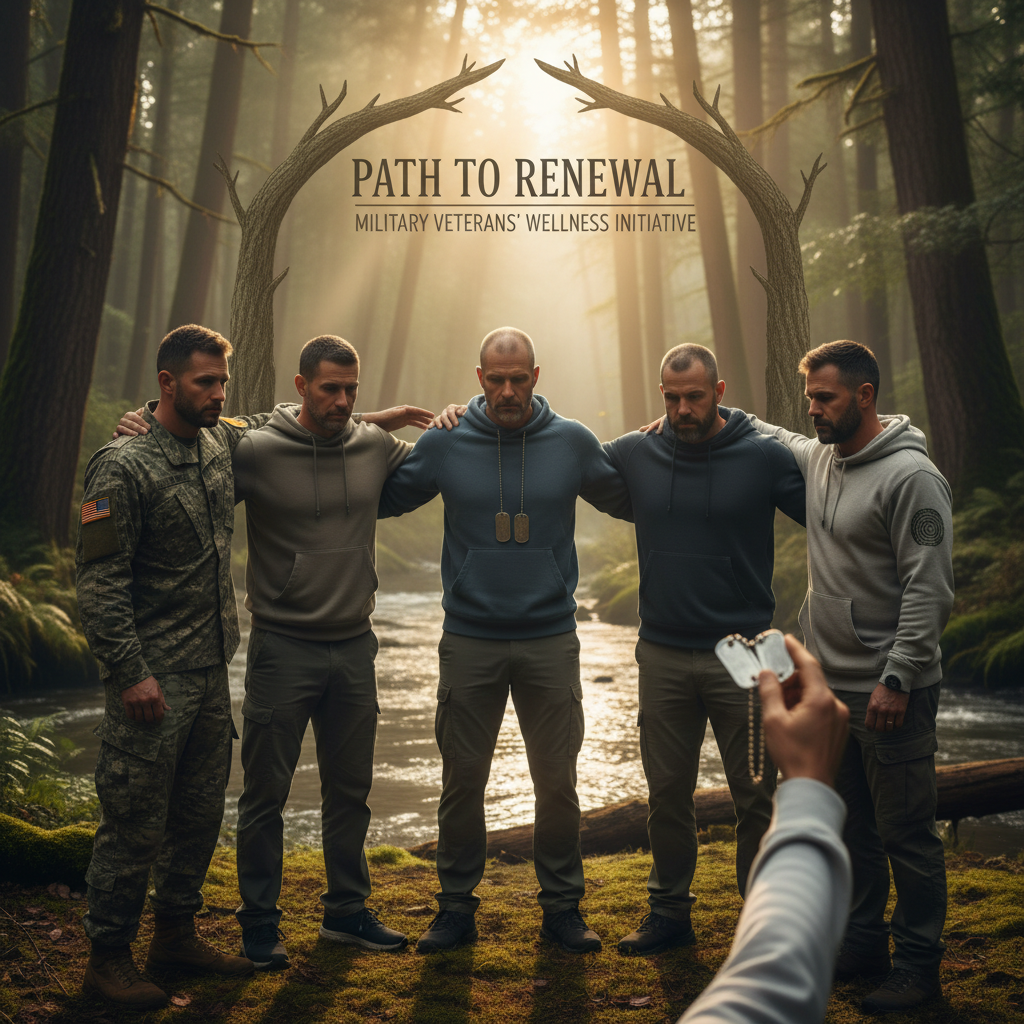
Why a military detox program matters for you
If you are an active duty service member or a veteran, a military detox program gives you something standard civilian detox rarely can. You get safe, medically supervised withdrawal support that also takes your service, your culture, and your career realities into account.
You may already know that service members and veterans experience higher rates of substance use disorders than the general population, especially after combat deployments. In one analysis, 44 percent of those returning from Iraq and Afghanistan in 2013 showed problematic substance use behaviors [1]. At the same time, stigma and fear of career impact keep many from asking for help.
A focused military detox program is designed to meet you where you are. It helps you manage alcohol or drug withdrawal safely, protects your privacy as much as possible, and connects you with clinicians who understand post‑deployment stress, chronic pain, and trauma.
If you are ready for a first step, you can explore options like men’s detox for veterans or detox for active duty military that align with your needs and your service status.
Understanding your unique risks and needs
How military service changes your risk
Your training taught you to push through pain, ignore discomfort, and get the job done. Those same strengths can work against you when alcohol or drugs become a way to cope.
Research highlights several realities for service members and veterans:
- Combat deployments are linked to significantly higher rates of substance use disorders compared with non‑deployed peers and civilians [1].
- Prescription pain medication use increased sharply during recent conflicts. Military physicians wrote about 3.8 million pain prescriptions in 2009, more than four times the number in 2001, which contributed to rising concern about opioid misuse and opioid use disorder [1].
- PTSD and substance use often go hand in hand. About 18 percent of post‑deployment Army soldiers experience PTSD, and among Iraq and Afghanistan veterans with alcohol use disorder, around 63 percent also meet criteria for PTSD [1].
You might use alcohol or drugs to sleep, to turn off intrusive memories, to get through pain, or to feel something other than numb. Over time, what started as coping can become dependence, even if you are still showing up and performing.
Stigma, confidentiality, and readiness worries
Many service members hesitate to seek detox or treatment because they worry about:
- Security clearance reviews
- Fitness for duty assessments
- Impact on promotion or command opportunities
- How their brothers‑in‑arms will see them
Although you cannot control every consequence, you can choose a setting that respects privacy and understands the rules you live under. A confidential detox for military aims to:
- Limit disclosure to only what is legally and clinically required
- Coordinate with command in ways that protect your dignity when contact is necessary
- Document care properly for your long‑term medical benefit
- Help you plan for your return to duty or your next civilian step
Your concerns about confidentiality and readiness are valid. A high‑quality military detox program will address them head on, not dismiss them.
What a safe military detox program includes
Detox is the medically managed process of clearing alcohol or drugs from your body while managing withdrawal symptoms. For alcohol, benzodiazepines, and many opioids, unsupervised withdrawal can be unpredictable and, at times, life threatening. That is why a structured program is often the safest choice.
Medical assessment and monitoring
When you enter a medical detox for veterans or tricare detox center, you can expect:
- A full medical and psychiatric history
- Review of your service‑related injuries, medications, and deployments
- Screening for PTSD, depression, and suicidal thoughts
- Labs, vital signs, and physical exam
- A personalized withdrawal management plan
Throughout detox, nurses and physicians monitor:
- Blood pressure, heart rate, temperature, and oxygen levels
- Hydration, nutrition, and sleep
- Signs of severe alcohol or sedative withdrawal, such as seizures or delirium
- Pain levels and any changes in mood or behavior
This level of monitoring is especially important if you have long term heavy alcohol use, benzodiazepine dependence, complex trauma, or multiple medications.
Evidence‑based withdrawal management
An effective military detox program uses medications and protocols that are backed by research, not guesswork. While each program is different, you may receive:
- Benzodiazepines or other agents to manage alcohol withdrawal and reduce seizure risk
- Buprenorphine, methadone, or other medication for opioid withdrawal
- Non‑addictive medications for anxiety, sleep, and pain
- Fluids, vitamins, and nutritional support
Quality care for alcohol and drug detox for veterans is based on objective withdrawal scales and clear guidelines, not on how tough you look or how much you say you can tolerate.
Trauma‑informed and military‑informed care
You deserve a team that understands that PTSD, moral injury, or combat stress can shape how you use substances and how you respond to treatment. In many veteran focused programs, the care model looks similar to what has been studied in other structured treatment settings.
For example, one military hospital based program in Thailand combined military discipline, cognitive behavioral therapy, and a spiritual Twelve Step approach. It significantly improved quality of life at 3 and 6 months for men with drug addiction compared with their own baseline, and showed better relationship and environmental quality of life at 3 months than a standard community program [2]. Participants also stayed in treatment longer, which is closely tied to better outcomes.
In the United States, integrated programs that treat PTSD and substance use together, like those offered through Hazelden Betty Ford since becoming a TRICARE provider, use similar evidence based, multidisciplinary approaches for military patients [1].
You should expect your detox team to:
- Ask about trauma and deployment respectfully, without pushing you to share more than you are ready to
- Recognize signs of hypervigilance, irritability, or emotional numbing as possible trauma responses
- Use cognitive behavioral strategies, grounding techniques, and other methods that fit military and veteran culture
Types of military detox programs for men
Not every military detox program looks the same. The right level of care for you depends on your medical risk, your living situation, and your duty status.
Inpatient and residential detox
If you are at moderate to high risk of severe withdrawal, a 24/7 setting is usually recommended. Options include:
- Inpatient detox for veterans in a hospital or acute care facility
- A veteran inpatient detox program that combines hospital level monitoring with veteran specific services
- Residential detox for veterans in a homelike setting with on site medical support
In these programs you live on site, which gives you space away from triggers, access to constant monitoring, and a structured daily schedule. This can be especially important if you have:
- History of severe withdrawal symptoms
- Co occurring PTSD, depression, or suicidal thoughts
- Limited support at home
- Access to weapons that might increase risk during withdrawal or mood swings
Men’s only and veteran focused detox
Men face their own barriers to asking for help, including pressure to be self reliant and to avoid vulnerability. A men’s military detox center or veteran detox program creates a space where you are surrounded by other men who understand military culture and expectations.
A men’s detox for veterans program usually emphasizes:
- Group discussions around masculinity, anger, and emotional expression
- Peer support and camaraderie that mirrors aspects of unit cohesion
- Honest conversations about family roles, fatherhood, and transition out of service
You can talk openly about issues like shame, guilt, and fear of being seen as weak, without having to translate your experience.
Alcohol and drug specific detox options
Although many programs treat both, you may see services listed separately, such as:
Alcohol withdrawal can become a medical emergency, especially after years of heavy use. Opioid, benzodiazepine, and stimulant withdrawal have their own risks and challenges. A program that understands the specific substance you are detoxing from can adjust medications, monitoring, and length of stay accordingly.
TRICARE coverage and the cost of detox
Cost should not be the reason you stay stuck in a cycle that is hurting your health, your relationships, and your future. If you are covered by TRICARE as active duty, Guard, Reserve, or a veteran in certain situations, it may pay part or all of your detox stay.
A tricare detox center or tricare covered detox for veterans should help you:
- Verify your benefits quickly, often the same day you call
- Clarify any copays, deductibles, or authorizations that apply
- Coordinate with TRICARE case managers when needed
- Plan for the next level of care after detox so your coverage is used efficiently
You can also ask about payment options if you are between jobs, recently separated, or unsure about your current coverage status.
How to evaluate a military detox program
When you compare options, you are not just shopping. You are choosing the team that will see you at one of the most vulnerable points in your life. It helps to know what to look for.
Clinical and safety standards
Ask these questions when you speak with an admissions specialist:
- Is there 24/7 medical staff on site during detox, not just on call?
- Are physicians or nurse practitioners experienced with alcohol, opioid, and benzodiazepine withdrawal?
- How do you monitor for serious complications like seizures or delirium tremens?
- How do you manage co occurring conditions like PTSD and chronic pain during detox?
A strong medical detox for veterans will have clear protocols and a track record of safely managing complex cases.
Military and veteran experience
Not all excellent detox programs are military specific, but your experience is easier when staff understand:
- Rank structure, unit culture, and deployment cycles
- The impact of combat exposure, MST (military sexual trauma), and moral injury
- The reality of multiple PCS moves, long trainings, and family separation
- Concerns about command notification and fitness for duty
Ask directly:
- How many of your patients are veterans or active duty?
- Do you have staff who are veterans or who have specialized training in military culture?
- How do you address PTSD and substance use together?
Programs like those highlighted by Hazelden Betty Ford integrate treatment for co occurring PTSD and SUD using evidence based therapies and multidisciplinary mental health support specifically for military patients [1].
Privacy and communication
Your trust depends in part on how your information is handled. For a confidential detox for military, clarify:
- What is shared with TRICARE and for what purpose
- Under what circumstances, if any, your command would be contacted
- How your clinical records are protected long term
If you are active duty, it is important to understand that some communication with your command may be required, especially if safety, duty status, or medical readiness is affected. A good program will walk you through this before admission.
Transition beyond detox
Detox is a beginning, not a full solution. Before you leave, you should have a clear plan, which may include:
- Residential or outpatient treatment
- Trauma focused therapy for PTSD or MST
- Medication assisted treatment for opioid or alcohol use disorder
- Peer support such as veteran groups or Twelve Step meetings
Programs like veteran inpatient detox program or residential detox for veterans are often closely linked to longer term care, which improves your chances of sustained recovery.
Detox clears your body of substances, but what you do right after detox is what reshapes your life.
What you can expect at Recovery Bay Center
At Recovery Bay Center, you receive focused care as a man who has served or is still serving, not as a generic patient on a detox floor. Our approach is designed as a trusted first step into long term recovery.
Men’s only, veteran informed care
Your detox experience happens in a men’s environment that recognizes the pressures of masculinity, service, and responsibility. You are surrounded by peers who also know what it means to carry a rucksack, stand watch, or come home changed by what they have seen.
We integrate the spirit of programs that have shown success in structured, male focused treatment, such as:
- Cognitive behavioral therapy to identify and change thought patterns that feed your substance use
- Group processes that build camaraderie and shared accountability
- Culturally sensitive spiritual and values based work for those who choose it
Similar combined models in military settings have been associated with improved quality of life, stronger relationships, and better treatment retention [2].
Medical safety with TRICARE support
Recovery Bay Center is committed to medically safe alcohol and drug detox for veterans and active duty men. In practical terms, this means:
- 24/7 nursing care and access to medical providers
- Evidence based withdrawal protocols for alcohol, opioids, benzodiazepines, and other drugs
- Careful attention to pain management, sleep, and mental health symptoms
As a program that works with TRICARE, we also focus on:
- Fast benefit verification as a tricare detox center
- Guidance around tricare covered detox for veterans benefits
- Clear, respectful communication whenever coordination with the military is needed
Our admissions team talks with you directly about confidentiality, command contact, and documentation so that you know what to expect before you step through the door.
A clear path beyond detox
Your time in a [military detox program] at Recovery Bay Center is the start of something larger. Before you complete detox, you and your team work together on your next step. This may include:
- Transition into ongoing residential care tailored to veterans and active duty
- Referral to specialized trauma therapy when PTSD or MST is part of your story
- Connection with veteran specific support groups and outpatient providers near your home or duty station
If longer term residential care is appropriate, options like residential detox for veterans and continued treatment on the same campus can help you maintain momentum.
Taking your next step today
If you are reading this, there is a good chance that alcohol or drugs are affecting your health, your relationships, or your readiness. You do not have to wait for things to get worse before you act. A focused [military detox program] can give you:
- Safe withdrawal management and medical monitoring
- Confidential, veteran informed support
- A bridge from survival mode to real, sustainable recovery
You can reach out now to discuss inpatient detox for veterans, detox for active duty military, or a tailored veteran detox program that fits your situation.
You have already done hard things in service to others. Taking this step is how you begin to do something just as important in service to yourself.