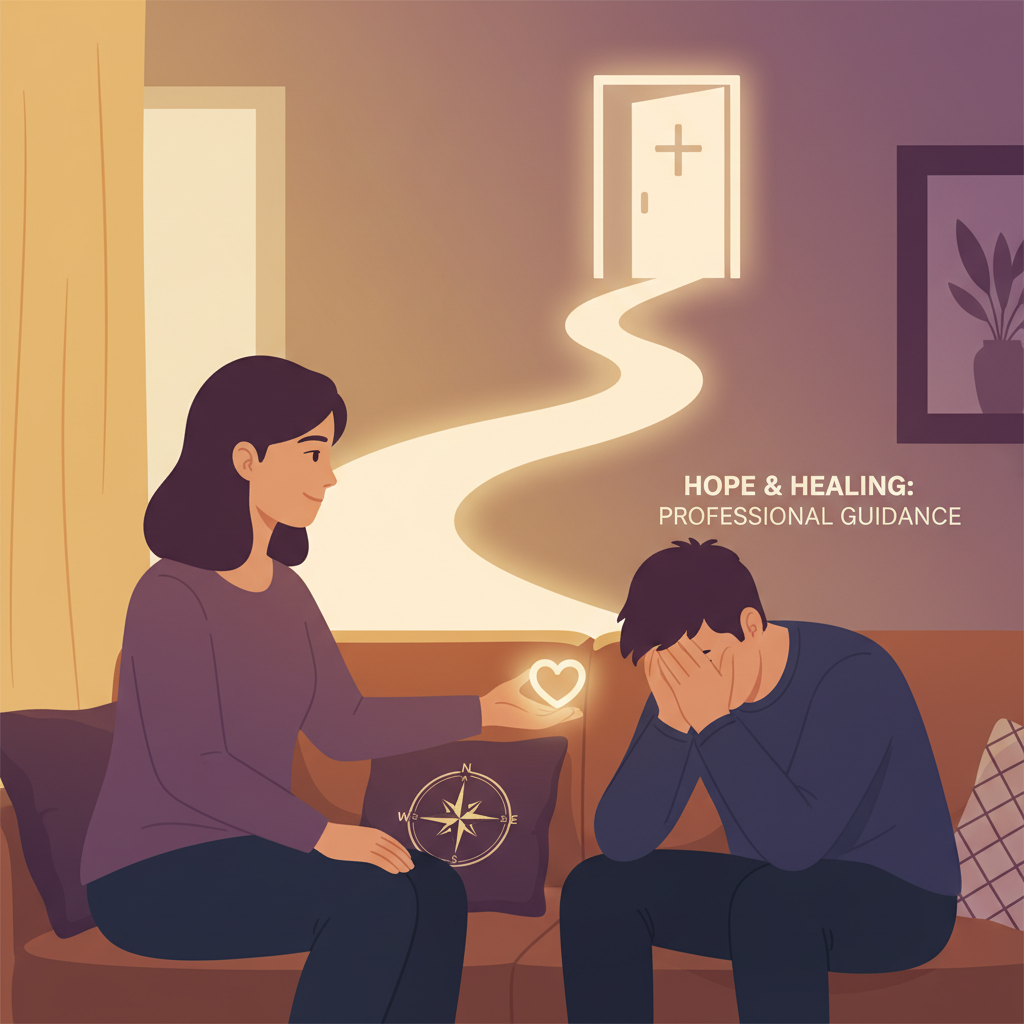

Understanding Stress Management
Effective stress management is a crucial element in the recovery journey, helping individuals navigate challenges without resorting to substances.
Impact of Stress on Recovery
Stress impacts individuals recovering from addiction by triggering cravings and increasing vulnerability to relapse. Understanding the relationship between stress and recovery is essential for creating a supportive environment. Stress not only affects mental health but also has physiological consequences that can complicate the recovery process. Elevated levels of stress hormones like cortisol can disrupt sleep patterns, affect appetite, and weaken the immune system.
| Stress Impact | Recovery Consequence |
|---|---|
| Increased Cravings | Higher Risk of Relapse |
| Disrupted Sleep | Lower Energy and Focus |
| Altered Appetite | Nutritional Deficiencies |
| Weakened Immune System | Increased Illness Risk |
Knowing these impacts, it’s evident that managing stress is vital for sustained recovery. For further reading on the connection between trauma and substance abuse, visit our article on understanding the connection between trauma and substance abuse.
Importance of Effective Coping Strategies
Using effective coping strategies helps manage stress without turning to substances. Coping mechanisms can be both emotional and practical, providing immediate relief while promoting long-term health and recovery. Mindfulness exercises, regular physical activity, and a supportive social network can all play significant roles in stress management.
| Coping Strategy | Benefit |
|---|---|
| Mindfulness and Meditation | Reduces Anxiety and Promotes Mental Clarity |
| Physical Activity | Enhances Mood and Reduces Cravings |
| Balanced Nutrition | Supports Overall Well-being and Recovery |
| Quality Sleep | Restores Energy and Improves Mental Health |
Learning and implementing these strategies fosters resilience and empowers individuals to handle stressors. Check out our article on mindfulness and meditation techniques for sustained sobriety for more information on integrating mindfulness practices into daily life.
By understanding the impact of stress on recovery and embracing effective coping strategies, we can create a more supportive environment for maintaining sobriety. For additional tips on maintaining healthy habits, explore our article on the benefits of exercise in recovery from addiction.
Mindfulness and Relaxation Techniques
Effective stress management is essential for maintaining sobriety and overall well-being. Incorporating mindfulness and relaxation techniques can help us cope with stress without resorting to substances. Here, we explore three strategies: breathing exercises, meditation, and progressive muscle relaxation.
Breathing Exercises
Breathing exercises are a simple yet powerful way to manage stress. These exercises help calm the mind and body by focusing on controlled breathing patterns. They can be practiced anywhere and at any time, making them a convenient tool for stress relief.
Types of Breathing Exercises
- Diaphragmatic Breathing: Involves deep breathing using the diaphragm.
- Box Breathing: Consists of inhaling, holding the breath, exhaling, and holding again, each for four counts.
- 4-7-8 Breathing: Involves inhaling for four counts, holding the breath for seven counts, and exhaling for eight counts.
Meditation
Meditation is a mindfulness practice that has been proven to reduce stress and promote emotional health. By focusing on the present moment, we can quiet our minds and gain a sense of inner peace. Various meditation techniques can be tailored to individual preferences and needs.
| Technique | Description | Duration |
|---|---|---|
| Guided Meditation | Involves listening to a guide or audio recording. | 5-30 minutes |
| Mindfulness Meditation | Focuses on being present and aware. | 10-20 minutes daily |
| Loving-Kindness Meditation | Cultivates feelings of compassion and empathy. | 15-30 minutes |
For an in-depth exploration of meditation techniques, visit our article on mindfulness and meditation techniques for sustained sobriety.
Progressive Muscle Relaxation
Progressive Muscle Relaxation (PMR) is another effective technique for stress management. This method involves tensing and then slowly relaxing different muscle groups in the body, helping to reduce physical tension and enhance relaxation.
| Muscle Group | Tensing Duration | Relaxing Duration |
|---|---|---|
| Forehead | 5-10 seconds | 10-15 seconds |
| Shoulders & Neck | 5-10 seconds | 10-15 seconds |
| Hands & Arms | 5-10 seconds | 10-15 seconds |
| Legs & Feet | 5-10 seconds | 10-15 seconds |
For those seeking additional strategies and techniques for managing stress in recovery, please refer to our guide on recognizing and preventing relapse triggers.
By integrating these mindfulness and relaxation techniques into our daily lives, we can effectively manage stress and support our journey towards sustained sobriety. For further reading on stress management, nutrition, and the importance of healthy habits, explore our article on the role of nutrition in addiction recovery.
Healthy Lifestyle Habits
Incorporating healthy habits into our daily routine helps manage stress effectively and supports long-term recovery. We focus on three critical areas: regular physical activity, balanced nutrition, and sufficient sleep.
Regular Physical Activity
Engaging in regular physical activity is a vital strategy for managing stress without substances. Exercise releases endorphins, the body’s natural mood lifters, which can combat stress and improve overall mental health. Additionally, staying active aids in diminishing cravings and distracting from negative thoughts.
| Activity Type | Recommended Duration (per week) |
|---|---|
| Aerobic Exercise | 150 minutes |
| Strength Training | 2 days |
| Flexibility Exercises | 2-3 days |
To explore further, see our article on the benefits of exercise in recovery from addiction.
Balanced Nutrition
A well-balanced diet supports physical health, which in turn enhances mental and emotional well-being. Proper nutrition helps stabilize mood, improve energy levels, and reduce stress. Consuming a variety of foods rich in vitamins, minerals, and antioxidants can strengthen the body and mind.
| Nutrient | Daily Recommended Intake |
|---|---|
| Protein | 46-56 grams |
| Carbohydrates | 225-325 grams |
| Fiber | 25-30 grams |
| Omega-3 Fatty Acids | 1.1-1.6 grams |
For a deeper understanding, refer to our article on the role of nutrition in addiction recovery.
Sufficient Sleep
Ensuring we get enough restorative sleep is crucial for stress management and overall health. Poor sleep can exacerbate stress and hinder our ability to cope with daily challenges. Aim for 7-9 hours of quality sleep each night to improve cognitive function, mood, and resilience.
| Age Group | Recommended Sleep Duration |
|---|---|
| Adults | 7-9 hours |
| Teens | 8-10 hours |
| Older Adults | 7-8 hours |
To learn more, check out our article on the importance of sleep hygiene in addiction recovery.
Adopting these healthy lifestyle habits can help us manage stress effectively and sustain our recovery journey. For additional strategies on managing stress without substances, explore our articles on mindfulness and meditation techniques for sustained sobriety and recognizing and preventing relapse triggers.
Building Support Systems
Effective support systems are crucial for managing stress without substances. These systems include therapy and counseling, peer support groups, and family and friends. Let’s explore how each component contributes to stress management and recovery.
Therapy and Counseling
Therapy and counseling provide a structured environment to explore the underlying causes of stress and substance use. Professional counselors use various techniques to help individuals develop healthier coping strategies. Therapy can include cognitive-behavioral therapy (CBT), which aims to change negative thought patterns, or other therapeutic practices tailored to individual needs.
| Therapy Type | Focus | Benefits |
|---|---|---|
| Cognitive-Behavioral Therapy (CBT) | Changing negative thought patterns | Improved emotional regulation |
| Dialectical Behavior Therapy (DBT) | Emotion regulation and mindfulness | Enhanced stress tolerance and coping skills |
| Art Therapy | Creative expression for emotional healing | Reduced stress and anxiety |
| Family Therapy | Resolving family dynamics and improving communication | Stronger support system |
For more on therapeutic approaches, see our article on the impact of art therapy on healing and recovery.
Peer Support Groups
Peer support groups offer a community of individuals who share similar experiences, providing a sense of belonging and understanding. These groups create a safe space to discuss challenges and share strategies for managing stress without substances. Participation in peer support groups can significantly enhance one’s motivation and confidence in the recovery journey.
Peer support groups often follow different formats:
| Group Type | Features | Benefits |
|---|---|---|
| 12-Step Programs | Structured steps and sponsor relationships | Accountability and long-term support |
| Non-12-Step Groups | Flexible structure with various coping strategies | Diverse perspectives and methods |
| Online Support | Virtual meetings and forums | Accessibility and anonymity |
Explore more on building connections through peer support in our article on building healthy relationships post-rehabilitation.
Family and Friends
Family and friends play a vital role in creating a supportive environment for stress management and recovery. A strong network of loved ones can offer emotional support, encouragement, and practical help during challenging times.
Involving family and friends in the recovery process can foster open communication and mutual understanding. Family therapy sessions can help resolve conflicts and strengthen bonds, while regular check-ins with friends can provide continuous motivation.
Important aspects of family and friend support:
| Aspect | Impact |
|---|---|
| Open Communication | Reduces misunderstandings and fosters trust |
| Emotional Support | Provides comfort and reassurance during stressful times |
| Practical Help | Assists with daily tasks and reduces the burden |
| Inclusivity in Recovery | Encourages shared goals and collaborative efforts |
For more information on navigating social dynamics, refer to our article on navigating social situations while maintaining sobriety.
Effective support systems, including therapy and counseling, peer support groups, and family and friends, are essential components of managing stress without substances. Each element plays a unique role in helping individuals build resilience and maintain long-term recovery.
Time Management and Organization
Effective time management and organization can significantly help us manage stress without resorting to substances. By setting priorities, creating routines, and time blocking, we can create a structured environment that supports our recovery journey.
Setting Priorities
Setting priorities involves identifying the most important tasks that need to be accomplished and allocating time to them accordingly. This helps us focus on what truly matters and reduces the feeling of being overwhelmed.
Steps to Set Priorities:
- List all tasks that need to be done.
- Rank them based on urgency and importance.
- Focus on high-priority tasks first.
| Task | Urgency | Importance | Priority Level |
|---|---|---|---|
| Attending therapy session | High | High | 1 |
| Grocery shopping | Medium | High | 2 |
| Cleaning living space | Low | Medium | 3 |
Creating a Routine
Creating a routine provides a sense of stability and predictability, which can be particularly beneficial for those in recovery. Consistent routines help us manage our time efficiently and reduce stress.
Elements of a Daily Routine:
- Set a consistent wake-up and bedtime.
- Schedule regular meal times.
- Include time for exercise and relaxation.
Sample Daily Routine:
| Time | Activity |
|---|---|
| 7:00 AM | Wake up |
| 7:30 AM | Breakfast |
| 8:00 AM | Morning exercise |
| 9:00 AM | Work/Study |
| 12:00 PM | Lunch |
| 1:00 PM | Therapy Session |
| 3:00 PM | Afternoon break |
| 6:00 PM | Dinner |
| 7:00 PM | Relaxation/Leisure |
| 10:00 PM | Bedtime |
Time Blocking
Time blocking is a powerful way to allocate specific periods for different tasks or activities throughout the day. This technique helps ensure that we dedicate enough time to each task without distractions, making us more productive and less stressed.
Steps for Time Blocking:
- Divide the day into blocks of time.
- Assign specific activities to each block.
- Stick to the allocated time for each activity.
Sample Time Block Schedule:
| Time Block | Activity |
|---|---|
| 7:00 AM – 8:00 AM | Morning Routine |
| 8:00 AM – 12:00 PM | Work/Study |
| 12:00 PM – 1:00 PM | Lunch Break |
| 1:00 PM – 3:00 PM | Counseling Session |
| 3:00 PM – 5:00 PM | Leisure/Exercise |
| 5:00 PM – 7:00 PM | Evening Routine |
| 7:00 PM – 10:00 PM | Family Time |
| 10:00 PM – 7:00 AM | Sleep |
By incorporating these time management and organization strategies into our daily lives, we can manage stress more effectively and support our recovery process. For further insights, explore articles on the role of nutrition in addiction recovery and the benefits of exercise in recovery from addiction.
Seeking Professional Help When Needed
Recognizing the necessity to seek professional help is a pivotal step in the journey toward managing stress without substances. Here, we outline crucial markers for seeking assistance, various therapy options available, and essential hotline and helpline resources.
Recognizing When to Seek Help
Awareness of signs indicating the need for professional help is essential. Common indicators include persistent feelings of overwhelm, depression, and anxiety. Additionally, changes in sleep and eating patterns, as well as inability to cope with daily responsibilities, also signal the need for aid.
| Symptom | Possible Indicator |
|---|---|
| Persistent Anxiety | Ongoing worry and fear |
| Severe Depressive Episodes | Long-lasting sadness or hopelessness |
| Sleep Disruptions | Insomnia or excessive sleeping |
| Changes in Appetite | Loss of appetite or overeating |
| Inability to Cope | Difficulty handling daily tasks |
Therapy Options
Professional therapy can offer structured support vital for stress management without resorting to substances. Options include:
- Cognitive Behavioral Therapy (CBT): Focuses on changing negative thought patterns.
- Dialectical Behavior Therapy (DBT): Combines CBT with emotion regulation strategies.
- Group Therapy: Provides peer support and shared experiences.
- Art Therapy: Uses creative expression to manage stress.
- Mindfulness-Based Stress Reduction (MBSR): Integrates mindfulness practices to reduce stress.
For detailed insights, refer to our article on the impact of art therapy on healing and recovery.
Hotline and Helpline Resources
Hotlines and helplines serve as immediate resources for those in crisis or needing guidance on finding further professional assistance.
| Resource Type | Contact Information | Services Offered |
|---|---|---|
| National Helpline | 1-800-662-HELP | 24/7 free and confidential treatment referral |
| Crisis Text Line | Text HOME to 741741 | Crisis support via text message |
| SAMHSA Helpline | 1-800-273-8255 | Substance abuse and mental health services |
Regular monitoring of stress levels and proactive management strategies can promote healthier coping mechanisms and a more robust recovery pathway. Explore more about stress management techniques in our article on mindfulness and meditation techniques for sustained sobriety.