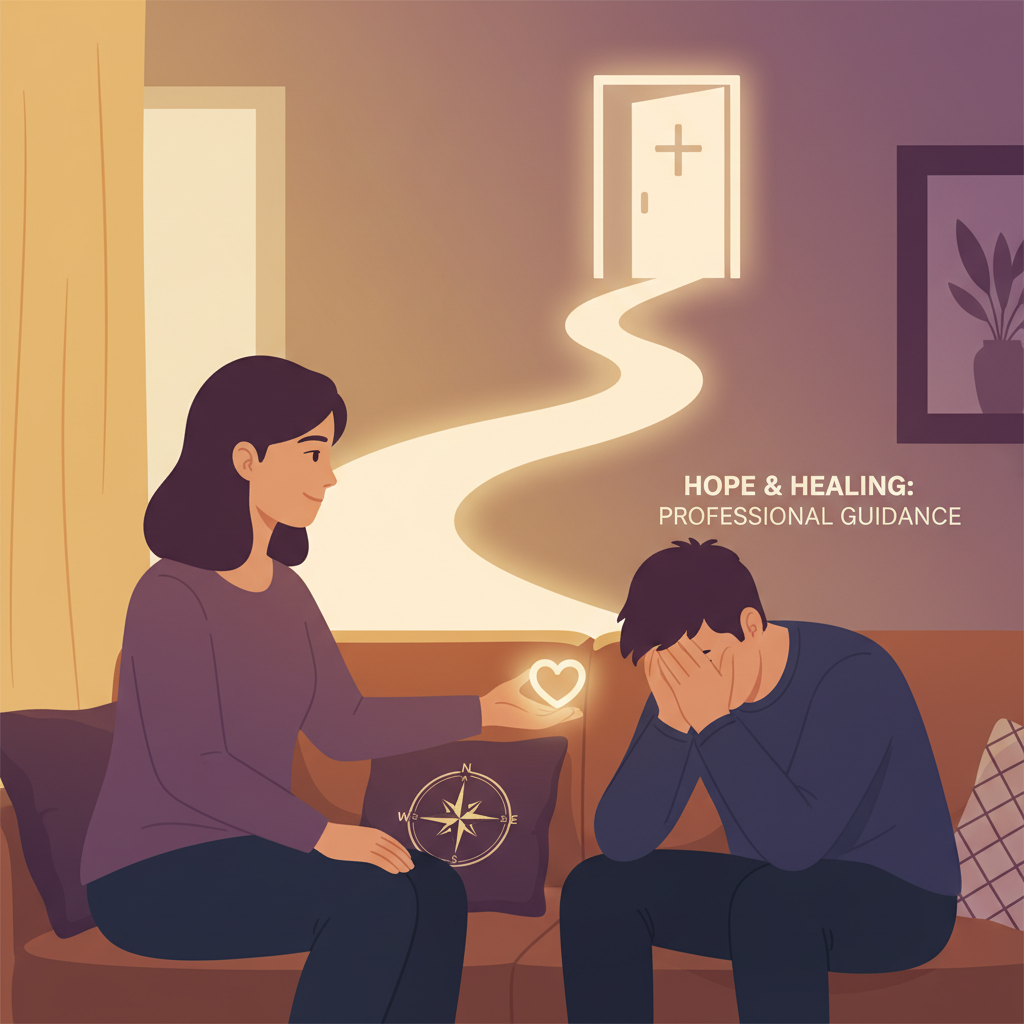

What recovery coaching is and why it matters after treatment
As you transition from inpatient care to everyday life, recovery coaching can be a powerful way to maximize your chances of long‑term success. Recovery coaching is a non‑clinical, strengths‑based service that focuses on helping you navigate daily life in sobriety, stay accountable, and move toward your goals in a structured yet flexible way.
Unlike therapy, recovery coaching is not about diagnosing or treating mental health conditions. Instead, a recovery coach walks alongside you as an ally. You focus together on action steps, problem solving, and building a meaningful life that supports your recovery. This makes coaching especially valuable in the critical period right after residential treatment, when you are facing real‑world triggers, decisions, and responsibilities again.
Recovery coaching also fits into the broader recovery continuum. It works best when it complements services like outpatient step down care, relapse prevention therapy, family therapy, and other forms of outpatient recovery support.
How recovery coaching supports your transition from treatment
Leaving a structured program can feel both exciting and unsettling. You may be returning to work, school, or family responsibilities while adjusting to new routines and boundaries. Recovery coaching helps bridge this gap between inpatient structure and independent living in several key ways.
Turning your discharge plan into daily action
You likely left treatment with an aftercare or discharge plan. A coach helps you turn that plan into specific daily actions. Together, you might:
- Break long‑term goals into weekly and daily tasks
- Create schedules for meetings, work, family time, and self‑care
- Problem solve around transportation, childcare, or finances
- Connect to resources such as employment assistance rehab or legal aid referral if needed
Because recovery coaching is collaborative and client centered, you decide what to prioritize. Your coach helps you stay focused and realistic while still pushing gently toward growth.
Navigating real‑world triggers in real time
In treatment, you practiced coping skills in a controlled setting. Back at home, triggers can be sudden and intense. Recovery coaching gives you a place to process these situations as they happen. You can bring specific events to coaching sessions and work through questions like:
- What triggered me in that moment
- How did I respond, and what worked or did not work
- What can I do differently next time
This is where the day‑to‑day nature of coaching becomes especially helpful. Many coaches are available between sessions for brief check‑ins, which can help you interrupt escalating cravings or stress before they lead to relapse. Programs like AnchorED, which connect overdose survivors with certified recovery coaches in hospital emergency departments 24/7, show how immediate peer support can reduce the risk of future overdoses.
Strengthening your connection to community support
Recovery is more sustainable when you are not doing it alone. Recovery coaching helps you plug into a network of ongoing support such as:
- Peer support alumni communities and alumni support program options
- Local and online recovery support groups
- A sober community alumni program that keeps you engaged long after discharge
- A community integration program to help you rebuild healthy routines and relationships
Your coach can attend meetings or events with you at first if that feels intimidating, then gradually step back as your own confidence and sense of belonging grow.
What a recovery coach actually does
Recovery coaching is a distinct role that sits alongside, but separate from, therapy, sponsorship, or clinical case management. Understanding what a recovery coach does, and does not do, can help you make the most of this resource.
Non‑clinical, peer‑based support
Most recovery coaches are peers who have lived experience with addiction and recovery, often with several years of sobriety. This background allows them to:
- Relate to the fears and doubts that can surface in early recovery
- Share practical strategies that worked for them
- Model what long‑term, stable recovery can look like in work, family, and relationships
Research suggests that this type of peer support can increase engagement in care, improve treatment adherence, and enhance self‑efficacy for people with substance use disorders.
At the same time, recovery coaches are trained to maintain role clarity and role integrity. They do not act as therapists, sponsors, or treatment providers. They do not diagnose mental health conditions or prescribe medications. They coordinate with your clinical team and support your existing recovery plan.
Core functions of a recovery coach
Although each coach brings a personal style, most focus on several core functions:
- Goal setting and planning. You identify what you want in areas such as sobriety, relationships, work, health, and purpose. Your coach helps you prioritize and build a realistic plan.
- Accountability and follow through. Regular sessions, often 2 to 3 times a week early on, keep you accountable to your own commitments and create a place to troubleshoot obstacles.
- Relapse prevention support. You work together to identify triggers, warning signs, and high‑risk situations, then develop concrete strategies to navigate them. This complements formal relapse prevention therapy.
- Resource connection. Coaches help you find and access resources such as housing, transportation, sober living referral, medical care, or mental health services. Peer Recovery Coaches often use strengths‑based case management to address unmet needs that could otherwise derail your recovery.
- Skill building. You practice time management, boundary setting, communication skills, and other practical tools that make day‑to‑day sober living more manageable.
Peer Recovery Coaches in programs that support Medication Assisted Treatment also help clients develop Recovery Case Management Plans that cover transportation, housing, nutrition, income, legal needs, personal safety, and emotional support so that engagement in outpatient care is more likely to succeed.
How recovery coaching works with therapy and treatment
You do not need to choose between therapy and recovery coaching. In fact, many people see the best results when they use both in a coordinated way.
Different but complementary roles
Therapy and coaching share some similarities. Both involve talking openly about your experiences, both can help you understand yourself better, and both support change. However, the focus and methods are different.
- Therapy explores underlying issues, trauma, mental health symptoms, and relational patterns. It takes a clinical, diagnosis‑based approach and is guided by licensed professionals.
- Recovery coaching is action oriented and future focused. It centers on what you are doing now and what you want next, not on analyzing the past.
Many people use therapy to work through depression, anxiety, or trauma while using coaching to implement practical strategies in daily life. This combination creates a fuller support system, especially when you are stepping down from residential to outpatient step down care or other levels of structured mental health support.
Integrating coaching into your aftercare plan
If you already have an aftercare planning program, you can ask your team to help you integrate recovery coaching intentionally. Together you might decide:
- How often to meet with your coach in the first 90 days
- How coaching and therapy will communicate or coordinate
- Whether a private men’s recovery community, veterans addiction support, or men’s mental health counseling track fits your needs
- How your coach can reinforce what you are learning in family therapy or group sessions
This kind of coordination keeps everyone on the same page and reduces the risk of mixed messages or gaps in support.
The role of peer support, alumni, and family in coaching
Recovery coaching rarely happens in isolation. It taps into and strengthens the larger ecosystem around you, including peer support, alumni communities, and your family or chosen family.
Staying connected through alumni and peer programs
Engagement with alumni program support can dramatically influence how stable you feel in early community living. Recovery coaching often encourages you to stay connected by:
- Joining peer support alumni groups where you can share your experience and learn from others
- Participating in a sober community alumni program that offers events, groups, and mentoring opportunities
- Using outpatient recovery support to maintain consistent structure after stepping down from higher levels of care
Your coach can help you navigate these options, particularly if you feel unsure how to re‑enter a group space or worry about seeing people from your treatment stay. Over time, these connections can become some of your strongest recovery anchors.
Integrating your family or support network
Family members or close friends often struggle to understand how best to support you after treatment. Recovery coaching can help bridge this gap by:
- Encouraging your participation in family therapy when appropriate
- Helping you communicate boundaries and expectations with loved ones
- Supporting your family members in accessing their own education and support resources
When your family understands recovery as a long‑term process rather than a single event, they are more likely to offer support that is consistent with your goals rather than driven by fear, guilt, or unrealistic expectations.
Building a sober social life
Isolation is a common relapse risk. Coaching focuses on helping you build a life where you actually want to stay sober because it is meaningful, connected, and aligned with your values. That might include:
- Finding sober social activities and hobby groups
- Using a community integration program to reconnect with work, school, or volunteering
- Exploring responsible substance use education if abstinence‑based environments are not the only spaces you will encounter
Your coach can help you pace these steps so that you are stretching your comfort zone without overwhelming your early recovery.
Practical benefits and evidence for recovery coaching
You may wonder whether recovery coaching genuinely makes a difference or if it is just another service on a long list. There is growing evidence that coaching and peer support yield tangible benefits.
What the research suggests
Studies and field reports have found that recovery coaching and peer support can:
- Improve adherence to treatment and medication
- Reduce substance use and relapse episodes
- Increase self‑efficacy and confidence in managing cravings and stress
- Enhance overall quality of life and social functioning
Research summarized by William L. White and others indicates that ongoing recovery support, including coaching, helps people develop problem solving skills, self‑efficacy, and stronger connections to recovery communities. This fits within the Recovery Management model, which views addiction as a chronic condition best addressed through long‑term support rather than brief episodes of care.
Programs that employ Peer Recovery Coaches in outpatient Medication Assisted Treatment have also reported better engagement and retention, in part because coaches help address barriers such as transportation, housing, and fear of stigma.
Supporting underserved and high‑risk groups
Recovery coaching is especially valuable for people who face additional barriers, including:
- Limited financial resources or unstable housing
- Legal involvement and court requirements
- Cultural or community stigma around treatment
- Military or first responder trauma
- Gender specific pressures for men around emotional expression and help‑seeking
Because coaching is flexible, creative, and focused on your readiness, it can meet you where you are. This might look like helping you connect with veterans addiction support, finding a sober living referral that matches your needs, or exploring men’s mental health counseling to address the impact of masculinity norms on your recovery.
Recovery coaching is not about doing recovery “perfectly.” It is about having a consistent ally who helps you learn from each step, adjust your plan, and stay engaged for the long haul.
Recovery coaching in different settings
Recovery coaching is not limited to one type of program. You can encounter or use coaching support at many points along your recovery continuum.
During and after intensive outpatient programs
Within an Intensive Outpatient Program, recovery coaching can be woven into the structured curriculum. According to Abhaya Wellness, integrating coaching in an IOP setting creates a more personalized recovery experience by:
- Providing a trusted ally who follows your progress across group sessions and home life
- Helping you apply what you learn in treatment to real‑time decisions and stressors
- Supporting you in building a fulfilling, substance free life, not just achieving abstinence
This combination of structured clinical programming and individualized coaching forms a strong foundation for lasting recovery, particularly when paired with outpatient recovery support after you complete IOP.
Hospital and crisis settings
The AnchorED model in Rhode Island and similar programs pair overdose survivors with Certified Recovery Coaches in emergency departments. Coaches offer immediate peer support, help the patient feel seen rather than judged, and assist with transitioning into ongoing treatment and community resources. This approach has been adopted in multiple states as a way to reduce repeat overdoses and strengthen connections to care.
Community, virtual, and specialized roles
Recovery coaching can also take many forms beyond traditional appointments:
- Sober escorts who accompany you on travel or high risk events
- Sober companions who live with you or provide intensive support after treatment
- Virtual or telehealth coaches who meet you online, which can be especially helpful if transportation or distance is a barrier
- Family recovery coaches who focus on educating and supporting your loved ones
- Legal support or court liaison coaches who help you maintain compliance with mandates
These options allow you to tailor your support to your lifestyle, responsibilities, and risk level.
Certification and professional standards
If you are curious about the training behind the role, several recognized pathways exist. For example:
- The Certified Addiction Recovery Coach (CARC) credential, offered through organizations like Recovery Coach University in New York, requires 60 hours of approved training, including 50 foundational hours and 10 elective hours. CARC is designed for individuals who want to work as Recovery Coaches or Sober Companions, often in private practice settings, and is recognized both in and outside the United States.
- The CCAR Recovery Coach Professional designation requires 60 hours of recovery focused education through the Connecticut Community for Addiction Recovery. CCAR has trained more than 110,000 people worldwide and is widely viewed as a gold standard in peer support education. Their all inclusive training package includes core courses, continuing education, and online credential management tools.
While you do not need to know every detail of your coach’s credential, asking about their training, supervision, and code of ethics can help you feel confident in the quality of support you are receiving.
How to know if recovery coaching is right for you
Recovery coaching is not one size fits all. It is most useful if it matches your current needs, level of motivation, and support network. You might benefit from coaching if you:
- Feel uncertain about how to live day to day without substances
- Want more structure and accountability than you can get from meetings alone
- Are balancing work, school, or caregiving with early recovery
- Have tried to stay sober before and struggled with follow through or isolation
- Would like practical, present focused support rather than long explorations of your past
Coaching can also be a good fit for your family members who are learning how to support you without enabling or taking over your recovery. When your whole support system shares a common language and framework, it is easier to stay aligned with your goals.
Taking your next step with recovery coaching
Your transition from inpatient care to community living is a critical window. The choices you make now can significantly shape your long term recovery. Recovery coaching offers you:
- A consistent ally as you navigate real‑world challenges
- A structured way to implement your aftercare plan
- Stronger connections to peer support alumni, recovery support groups, and alumni program support
- Practical help with housing, work, legal issues, and other barriers through services like sober living referral, employment assistance rehab, and legal aid referral
You do not have to manage this transition alone. By adding recovery coaching to your support system, you increase your chances of not only staying sober, but also building a life that feels worth protecting.