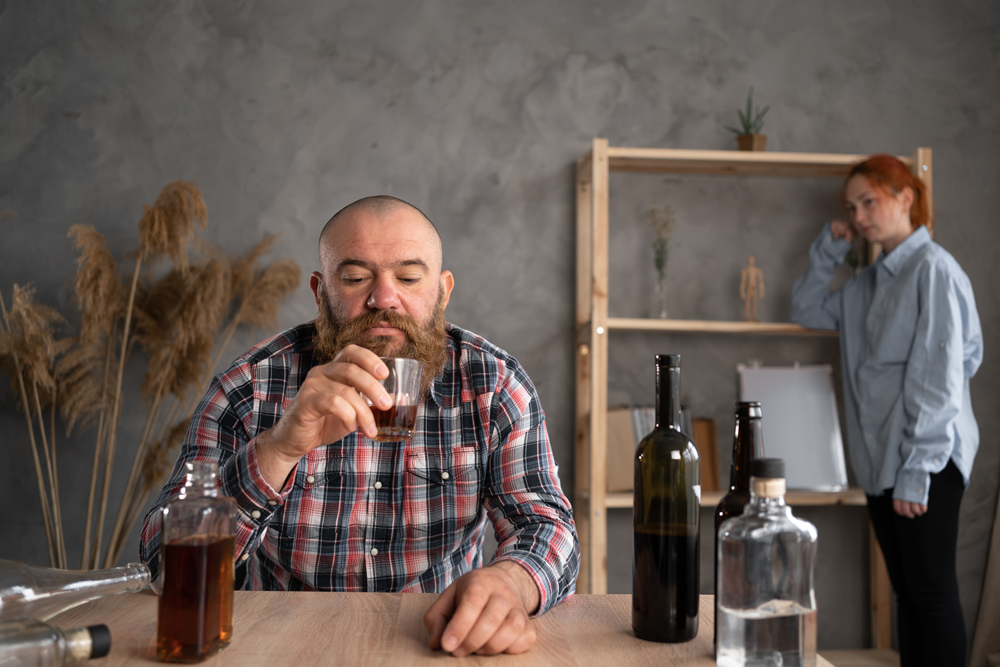

Why a military rehab program for men matters
If you are a veteran or active duty service member, your relationship with alcohol or drugs probably did not start in a vacuum. It is often tied to combat stress, traumatic experiences, military culture, and the pressure to stay strong no matter what. A dedicated military rehab program for men is designed with those realities in mind, so you are not treated like just another patient with “a substance problem.”
Research shows that substance use disorders among U.S. military personnel often occur alongside PTSD, depression, trauma, and chronic pain, which calls for treatment programs tailored specifically to this population [1]. When you choose a men’s military-focused residential program like Recovery Bay Center, you step into a setting that understands your background, respects your service, and holds you accountable the way you are used to.
If you have already completed medical detox, a structured residential setting can be the stable next step you need. Programs such as our men’s military rehab center are built to help you transition from withdrawal to real, sustainable change in your thinking, habits, and relationships.
Understanding addiction in military and veteran life
Different patterns of use, different pressures
Your experience with substances may look different from that of civilians. Active duty personnel have a lower rate of illicit drug use, less than 1 percent, compared with roughly 22 percent among civilians ages 18 to 25, but significantly higher rates of alcohol misuse, with about 30 percent reporting binge drinking and more than 33 percent meeting criteria for possible alcohol use disorder [1].
For many men in uniform, the issues show up as:
- Heavy drinking that started as unit bonding and stress relief
- Increasing dependence on alcohol after deployment to manage sleep or intrusive memories
- Pain medication use that escalates after injuries or surgeries
- Cannabis or other substances used to cope after discharge
Among veterans, especially men ages 18 to 25, rates of substance use disorders and alcohol misuse are elevated, and cannabis use disorder has increased by more than 50 percent since 2020 [1]. These numbers highlight how common your experience might be, even if you feel alone in it.
Co‑occurring PTSD, trauma, and depression
Military service can expose you to situations most people will never face. Service-related trauma can include combat, training accidents, moral injury, or military sexual trauma. Many men carry these experiences home and feel they must handle them alone.
The result is often a combination of:
- PTSD symptoms such as nightmares, hypervigilance, flashbacks, and irritability
- Depression and numbness
- Anxiety and panic
- Chronic pain from injuries or wear and tear
When these conditions exist together with substance use, standard rehab is not enough. You need integrated, trauma-informed care that targets all of it at once. That is a core part of what a specialized veteran inpatient treatment program is designed to provide.
How a residential military rehab program for men works
A men’s military rehab program is residential, structured, and focused on restoring discipline and stability while still allowing you to heal emotionally. At Recovery Bay Center, you live on-site in a safe, alcohol and drug free environment where your daily schedule is focused on recovery.
Structure that feels familiar
If you come from a military background, structure can feel grounding instead of restrictive. In residential care, you can expect:
- A predictable daily routine with set times for therapy, meals, fitness, and rest
- Clear expectations around participation and conduct
- Built-in accountability through check-ins and group work
- Limited outside distractions so you can focus on yourself
This type of schedule mirrors the discipline you already know, and it helps reduce the chaos that often surrounds addiction. If you are looking for a structured rehab program for veterans, a military-tailored men’s program can be a strong fit.
Continuity after detox
Detox stabilizes your body, but it does not change the patterns that led you there. A key advantage of a residential military rehab program is the continuity of care after medical withdrawal. Instead of returning to the same environment with the same triggers, you step into a focused phase of treatment where you:
- Learn how to manage cravings and high-risk situations
- Start addressing underlying trauma or mental health concerns
- Rebuild daily habits that support sobriety
- Prepare for life after discharge from rehab
If you have already completed detox elsewhere, you can often transition directly into a program such as residential rehab for veterans at Recovery Bay Center.
Core components of men’s military rehab at Recovery Bay Center
Every veteran and active duty service member arrives with a different history, but there are proven treatment elements that help most men heal and rebuild. At Recovery Bay Center, your program may include the following:
Comprehensive alcohol and drug treatment
Many men in the military struggle with alcohol and drugs at the same time. Instead of treating these issues separately, our alcohol and drug rehab for veterans addresses both together in one coordinated plan. This dual focus matters because using one substance often fuels use of another.
Core services may include:
- Assessment of alcohol, prescription medications, opioids, and other substances
- Medical support when needed for ongoing stabilization
- Education on how different substances affect your brain, mood, and body
- Strategies for avoiding cross addiction and replacement behaviors
If alcohol is your primary issue, you may benefit from a focused residential alcohol rehab for veterans. If drugs are at the center, a residential drug rehab for veterans track can provide targeted support.
Trauma‑informed and evidence‑based therapies
Treatment for veterans and active duty members must be grounded in research and tailored to your experience. The Department of Veterans Affairs emphasizes evidence-based therapies and integrated approaches for PTSD and substance use disorders, including cognitive behavioral therapy and interdisciplinary pain management, which help reduce reliance on long-term opioids [2].
In a men’s military rehab setting, you may work with:
- Cognitive Behavioral Therapy (CBT) to identify and change unhelpful thoughts that drive use
- Trauma-focused modalities to address combat stress, military sexual trauma, and other events
- Relapse prevention training with skills you can apply immediately
- Anger management and emotional regulation work to deal with irritability and reactivity
These approaches are not one-size-fits-all. They are adapted to your history, your service branch, and your goals, as part of a broader men’s veteran addiction treatment plan.
Medication‑assisted treatment when appropriate
For opioid use disorder and certain other substance issues, medication-assisted treatment (MAT) can play a vital role. The Veterans Health Administration recognizes MAT as first-line care for opioid use disorder and recommends medications such as methadone and buprenorphine for all opioid-dependent veterans, but fewer than 35 percent receive them due in part to stigma and gaps in provider education [2].
In a trauma-informed residential setting, MAT can:
- Reduce withdrawal symptoms and cravings
- Stabilize your mood so you can engage more effectively in therapy
- Lower your risk of overdose after discharge
Your team works with you to determine whether medications fit your situation and how to integrate them with psychotherapy and lifestyle changes.
Brotherhood and peer support
One of the strongest healing forces in a men’s military rehab program is the brotherhood you experience with other veterans and service members. You are surrounded by men who understand command structures, deployments, loss, and the unspoken rules of military life.
In daily groups and informal conversations, you can:
- Share experiences with others who “get it” without lengthy explanations
- Hear how other men are handling PTSD, family strain, or transition to civilian life
- Rebuild a sense of belonging that does not depend on drinking or using together
This camaraderie is especially powerful in a veteran men’s residential treatment setting, where you live, learn, and grow alongside peers on the same path.
How military and VA resources connect with rehab
You may already know about VA and TRICARE benefits, but understanding how they connect to residential rehab can make it easier to take the next step.
VA and community-based treatment options
The Department of Veterans Affairs provides specialized addiction treatment, including detox, outpatient counseling, residential rehab, and medication-assisted treatment designed for co-occurring PTSD, depression, and combat stress [1]. As of 2025, the VA operates around 250 residential rehabilitation programs at about 120 sites nationwide, with capacity for more than 6,500 veterans [3].
If VA facilities are not available or accessible to you, the MISSION Act of 2018 allows eligible veterans to seek substance use disorder treatment through community providers, expanding your options for care [1]. A community-based program that understands military culture can complement what you receive through the VA and provide an alternative setting if that better fits your needs.
VA residential rehabilitation programs also offer:
- 24/7 mental health and substance use care
- Treatment for PTSD, chronic pain, and traumatic brain injury
- Access to mutual-help groups such as Alcoholics Anonymous and SMART Recovery
- Programs like Compensated Work Therapy-Transitional Residence, which connects housing with paid work and job coaching to support independent living [3]
A focused veteran rehab program for men in a community setting can coordinate with these resources and support a seamless continuum of care.
TRICARE coverage and active duty support
For active duty personnel, TRICARE plays a central role in accessing care. The TRICARE system expanded treatment options in 2016 to include intensive outpatient programs and provides online tools for alcohol and drug use assessment, making it easier to seek help early [2].
The military also offers free counseling for alcohol and substance use, including smoking cessation, typically delivered through short-term cognitive behavioral interventions [2].
At Recovery Bay Center, staff can help you understand and use benefits for:
- Tricare inpatient rehab for veterans
- Tricare covered rehab for military
- Inpatient rehab for active duty military
You do not have to navigate the paperwork or eligibility questions alone. Part of your admissions process includes discussing your coverage and how to minimize out-of-pocket costs.
When you combine VA or TRICARE benefits with a specialized men’s residential program, you create a stronger safety net for your recovery and long-term health.
Short‑term stabilization vs long‑term change
You may be wondering how long you need to stay in residential rehab to see real change. The answer depends on your history, your responsibilities, and your goals, but it helps to understand the difference between short-term stabilization and long-term rebuilding.
What short‑term residential care offers
In the early weeks of a program like veteran men’s residential treatment, the focus is on:
- Stabilizing your body and mind after detox
- Identifying key triggers and high-risk situations
- Starting trauma and mental health work at a pace you can tolerate
- Establishing sleep, nutrition, and activity routines
This phase is critical, and many men notice strong improvements in clarity, mood, and physical health. However, long-standing patterns around alcohol or drugs often require additional time and practice to shift.
The role of long‑term rehab
For some veterans and active duty members, a long term rehab for veterans model offers the best chance for lasting recovery. Longer stays allow you to:
- Go deeper into trauma and grief work
- Practice new coping skills across a wider range of emotions and situations
- Repair relationships with family through structured sessions
- Build a realistic plan for work, school, or transition to civilian life
There is no single “right” length of stay. What matters most is that you commit to enough time in treatment to address the roots of your substance use instead of only its surface symptoms.
Who a men’s military rehab program is for
A military rehab program for men is designed for you if:
- You are a veteran or active duty service member
- You have completed or nearly completed detox and want the next level of support
- You are seeking a setting that respects military values and culture
- You want both alcohol and drug issues addressed in one integrated program
- You are ready for accountability, structure, and honest feedback
You might relate to one or more of these situations:
- You have tried outpatient counseling, but your environment and triggers keep pulling you back into use
- You feel disconnected from civilian providers who do not understand deployments or combat
- You know you need to address PTSD or depression but feel overwhelmed doing it alone
- You want to rebuild discipline and confidence without sacrificing your mental health
Programs like our men’s military rehab center are built specifically around these needs, not just around a generic model of addiction.
Taking your next step toward healing
Reaching out for help can feel like the hardest part of this process, especially if you have been trained to push through pain and keep moving. Yet the same qualities that helped you serve, such as courage, discipline, and loyalty, can support you in recovery.
Here is how you can move forward:
- Acknowledge that your current path is not working, no matter how long you have managed to keep up appearances.
- Contact a trusted provider or reach out directly to a program like Recovery Bay Center to discuss options such as residential rehab for veterans or a tailored veteran rehab program for men.
- Ask specific questions about TRICARE, VA coordination, and how tricare covered rehab for military can reduce your financial burden.
- Decide whether you need short-term stabilization or a more extended long term rehab for veterans plan.
You do not have to choose between your identity as a serviceman and your need for help. A dedicated military rehab program for men is built so you can honor both. With the right structure, brotherhood, and clinical support, you can move from surviving day to day to building a life that feels worth staying sober for.