Why a veteran rehab program for men matters
If you are a veteran or active duty service member, you already know that what you have seen, done, and carried is different from civilian life. A generic treatment track often does not touch what is really going on. A veteran rehab program for men is built around your culture, your history, and the specific pressures you live with.
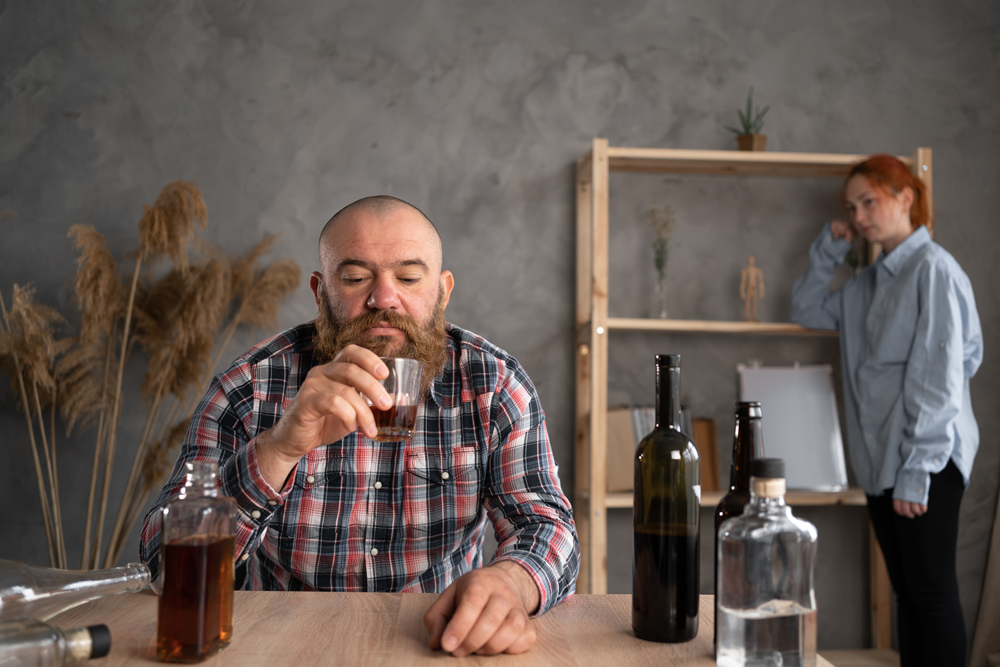
More than 1 in 10 veterans from Iraq and Afghanistan have been diagnosed with a substance use disorder, with alcohol and tobacco as the most commonly misused substances [1]. Younger veterans, especially those 18 to 25, have a higher rate of alcohol and drug abuse than civilians in the same age group, and over 60% of veterans from recent wars who have an alcohol or drug use disorder also live with PTSD [1]. You are not alone in what you are facing.
At Recovery Bay Center, the men’s military rehab program is designed as a structured, veteran focused environment where you can reset, rebuild discipline, and work on both alcohol and drug use along with trauma, depression, and anxiety. You get the kind of clear expectations and daily rhythm that feel familiar from service, without the shaming or punishment that may have kept you silent in the past.
If you have already completed detox or are preparing for it, this type of residential setting can be the bridge between getting physically sober and learning how to live differently day to day. It is also set up to accept Tricare and other military insurance, so you can use the benefits you have earned to support your recovery.
How men’s veteran addiction treatment is different
Standard mixed gender programs often do their best, but they may not understand the language, humor, or guardedness that comes with a military background. A focused men’s veteran addiction treatment program is built around what you actually experience.
Military culture and shared experience
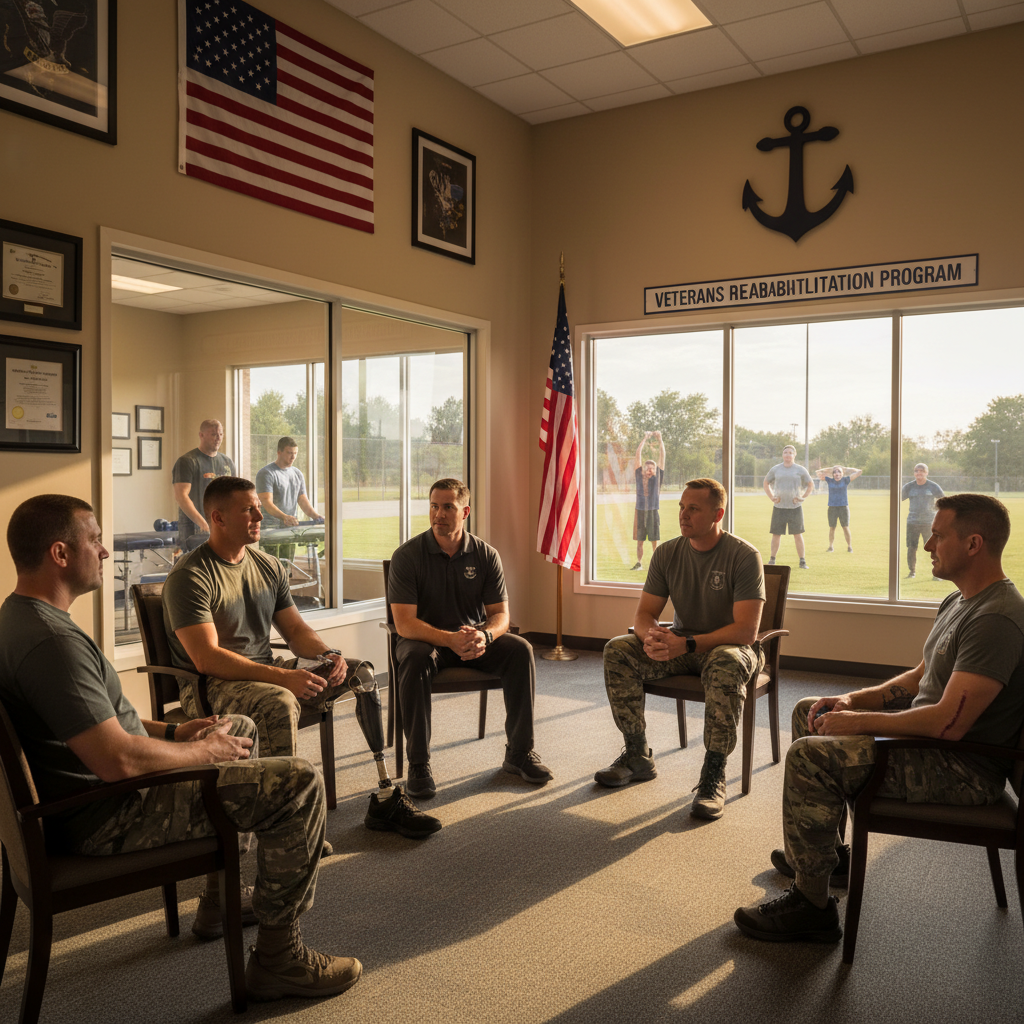
You are used to structure, clear chains of command, and a sense of brotherhood. In a men’s military setting, you are surrounded by peers who understand deployments, high intensity training, moral injury, and how hard it can be to switch off when you come home. You do not have to explain what acronyms mean or why certain memories still wake you up at night.
In this environment, you can talk honestly about what happened downrange or stateside, the choices you made under stress, and how that carries over into drinking or drug use now. The program recognizes that many veterans have learned to perform under pressure while shutting down emotion, and it helps you unlearn that pattern in a way that does not attack your identity or service.
Addressing PTSD, depression, and moral injury
For many veterans, substance use is not the core issue, it is the way you have been coping with PTSD, depression, anxiety, physical pain, and moral injury. In 2022, 1.4 million US veterans were living with both a mental illness and a substance use disorder [2]. A veteran rehab program for men is designed to treat both at the same time.
You can expect integrated care for:
- PTSD and trauma from combat, MST, or other events
- Depression, anxiety, and anger that show up after service
- Sleep problems, nightmares, and hypervigilance
- Guilt, shame, and moral conflicts linked to service
This dual focus is not a bonus feature, it is central to the work. Untreated trauma and mental health symptoms are some of the strongest drivers of relapse for veterans, so they are addressed as part of your core treatment plan, not as a side issue.
What to expect in a structured rehab program for veterans
If you are considering a structured rehab program for veterans, it can help to know exactly what the day to day looks like. A men’s military rehab track at Recovery Bay Center is set up to restore order to your life while leaving room for real healing.
Daily structure and accountability
You are likely comfortable with routine, but addiction may have pulled you far away from any healthy pattern. In a veteran focused men’s residential program, you can expect:
- Set wake up and lights out times
- Scheduled individual therapy, groups, and classes
- Time for physical activity and wellness
- Regular check ins with your treatment team
This is not boot camp, but you will be held accountable. Staff understand that military men respond well to clear expectations and direct feedback. The goal is not to tear you down, it is to help you rebuild discipline that serves your health instead of addiction.
Therapeutic work and meaningful activity
Veterans in early recovery often do better when they have structured, purposeful work like therapeutic work activity, rather than being pushed straight into full competitive employment. In one study of 78 veterans in early recovery, 78% chose therapeutic work over competitive jobs and those who engaged in this type of work had higher abstinence rates, fewer psychiatric symptoms, and lower homelessness and incarceration rates [3].
Your program can integrate elements of:
- Skill based groups and activities that build confidence
- Responsibilities on the unit that reinforce purpose and teamwork
- Planning for vocational next steps once you are stable
You are not seen only as a “patient,” you are treated as someone getting ready to step back into a meaningful role at home, at work, or in your community.
Levels of care: from detox to long term rehab for veterans
A veteran rehab program for men usually fits into a larger care path. Recovery Bay Center focuses on residential treatment, often right after detox or brief stabilization, and coordinates with other services when more or less structure is needed.
Inpatient detox and medical stabilization
If you are still using heavily or are at risk of dangerous withdrawal, medically supervised detox is the first step. The VA and other treatment systems provide medically managed detox, medication management, and nursing care to get you safely through this phase [4].
Many veterans complete detox at a hospital, VA facility, or designated center, then transition directly into a veteran inpatient treatment program like Recovery Bay Center. This continuity matters. Going home too soon, with no structured plan, often leads straight back to old patterns.
Residential rehab for veterans
Once you are medically stable, a focused residential rehab for veterans provides 24/7 support in a live in setting. VA residential programs typically last around six weeks, sometimes longer, and combine counseling, classes, peer connection, and specialized services for PTSD and substance use disorder [5].
Recovery Bay Center mirrors that intensive structure, but in a men’s only, military informed environment. You live with other men who share similar experiences, you eat together, attend groups together, and support each other through cravings and tough conversations. Residential care gives you the time and space to:
- Stabilize your mood and sleep
- Learn new coping skills
- Practice living without alcohol or drugs in a controlled environment
- Start repairing relationships and planning for life after treatment
Long term rehab for veterans and stepdown care
Some veterans benefit from extended care, especially if there are chronic pain issues, complex trauma, or repeated relapses. Long term rehab for veterans can involve longer residential stays or stepdown levels of care, such as intensive outpatient programs and sober living.
Outpatient rehabilitation lets you live at home while attending therapy and groups on a regular schedule. This is often recommended when social support is limited or when you are still learning how to manage stress without using substances [6]. Ongoing treatment, support groups, and self directed recovery work are key for preventing relapse after you leave a residential setting [6].
Alcohol and drug rehab for veterans: dual focus, single mission
Many veterans do not use just one substance. Drinking may blend with prescription medications, street drugs, or nicotine. An effective alcohol and drug rehab for veterans treats the whole picture instead of focusing on a single substance.
Residential alcohol rehab for veterans
Alcohol is often normalized in military culture. It can be attached to celebrations, grief, and off duty stress relief. Over time, what started as “normal” drinking can lead to blackouts, legal issues, or medical problems. A residential alcohol rehab for veterans setting addresses:
- Physical dependence and withdrawal risk
- The role alcohol plays in your unit culture, friendships, and family life
- Triggers related to anniversaries, losses, or specific events
- Health issues that show up after years of heavy drinking
Therapies such as Cognitive Behavioral Therapy (CBT), Rational Emotive Behavior Therapy (REBT), and medication assisted treatment are often used to reduce cravings, address distorted thinking, and support long term abstinence [6].
Residential drug rehab for veterans
Prescription pain medications, sleep aids, stimulants, and street drugs can also become part of how you cope with physical pain, insomnia, or psychological distress. A residential drug rehab for veterans focuses on:
- Safe management of withdrawal symptoms
- Pain management alternatives that do not rely solely on medication
- Underlying mental health drivers that fuel drug use
- Rebuilding trust with family and command, when appropriate
Veteran centered rehab programs often use a mix of CBT, contingency management, medication assisted treatment, and 12 Step facilitation tailored to your background [6].
Coverage, Tricare, and access to veteran men’s residential treatment
Cost and logistics do not have to stop you from getting help. There are several pathways to veteran focused care, including Tricare and VA resources, and Recovery Bay Center is familiar with working inside these systems.
Tricare covered rehab for military and veterans
If you are active duty, retired, or a family member covered under Tricare, you may have benefits that help pay for inpatient rehab, outpatient treatment, and follow up care. Programs like Recovery Bay Center work with Tricare covered rehab for military and other military insurances so you can enter treatment with clarity about what is covered.
A tricare inpatient rehab for veterans or inpatient rehab for active duty military track often includes:
- Medical detox when needed
- Residential treatment in a structured, 24/7 setting
- Individual and group therapy
- Family education and support
- Discharge planning and coordination with VA or command
The VA Health Care System itself also offers detox, counseling, medication management, and other therapies for substance use problems, including alcohol, tobacco, street drugs, and prescription medications [7].
VA and community resources
If you are enrolled in VA health care, you can access inpatient and residential care either at VA facilities or through approved community providers under laws such as the MISSION Act [2]. The VA operates around 250 residential programs at about 120 sites, with specialized tracks for PTSD, substance use disorder, women veterans, and more [5].
If you have served in OEF, OIF, or OND, you can contact your local VA and speak with the OEF/OIF/OND coordinator for help getting into appropriate substance use treatment [7]. Even if you are not currently in VA care, you can still access free private counseling, alcohol and drug assessments, and support through more than 300 community Vet Centers nationwide if you have served in a combat zone [7].
Recovery Bay Center can coordinate with your VA providers or community resources as part of your veteran men’s residential treatment plan, so you have a clear continuum of care.
If you are in crisis or thinking about harming yourself, you can contact the Veterans Crisis Line 24/7 for confidential, free support. It is staffed by qualified responders, many of them veterans, who understand what you may be facing [7].
Core therapies and supports in a men’s military rehab center
Your time in a men’s military rehab center is not only about staying sober in a safe environment. It is about learning tools and building connections that support long term recovery.
Evidence based therapies
Veteran rehab programs for men typically use a set of proven therapies, including:
- Cognitive Behavioral Therapy (CBT) to identify and change unhelpful thought patterns and behaviors tied to substance use
- Rational Emotive Behavior Therapy (REBT) to challenge beliefs that fuel anger, guilt, or hopelessness
- Contingency Management (CM) to reinforce positive behaviors with tangible rewards
- Medication assisted treatment when appropriate to reduce cravings and support abstinence
- 12 Step facilitation adapted to veteran experiences and language [6]
The goal is not to fit you into a single model, but to build a toolbox that matches your needs and preferences.
Whole person care
Recovery is not only about your mind. Many veterans carry physical injuries, chronic pain, or neurological issues that make recovery more complex. Short term inpatient rehabilitation is especially helpful for addiction related injuries, including musculoskeletal, neurological, or multi trauma injuries [6].
A comprehensive men’s military rehab program can integrate:
- Occupational and physical therapy to help you regain function and independence
- Support for sleep, nutrition, and physical conditioning
- Coaching around employment barriers through models like Compensated Work Therapy and transitional housing, which focus on job retention and independence [5]
This whole health approach mirrors VA residential rehabilitation programs, which address medical, social, employment, and housing needs in a structured environment [5].
Brotherhood and peer support
One of the strongest healing forces for many veterans is the sense of brotherhood. In a military rehab program for men, you reconnect with that bond in a sober environment. You work alongside other veterans who understand the jokes, the acronyms, and the things you cannot explain to civilians.
You are encouraged to:
- Share experiences in groups without feeling judged
- Hold each other accountable for showing up and doing the work
- Build a support network that continues after you leave residential care
Many veterans in work oriented recovery programs report that they value the social connection and meaningful activity as much as the income or benefits [3]. The same is true in a tight knit residential rehab community.
Is a veteran rehab program for men right for you?
You may be a good fit for a men’s veteran rehab track at Recovery Bay Center if:
- You are a male veteran or active duty service member
- You have completed detox or are willing to enter detox if needed
- Alcohol or drugs are creating problems at home, work, or in your unit
- You are living with PTSD, depression, anxiety, or chronic pain along with substance use
- You want structure, clear expectations, and a straightforward, respectful approach
- You prefer to be in treatment with other men who have served
If this describes you, a veteran rehab program for men can give you the time, space, and support to reset your course.
You do not have to keep carrying this alone. With a structured residential setting, trauma informed care, and a community of men who understand military life, you can rebuild your health, relationships, and sense of purpose. If you are ready to take the next step, you can explore your options for tricare inpatient rehab for veterans and connect with a team that knows how to work with military and veteran populations from day one.