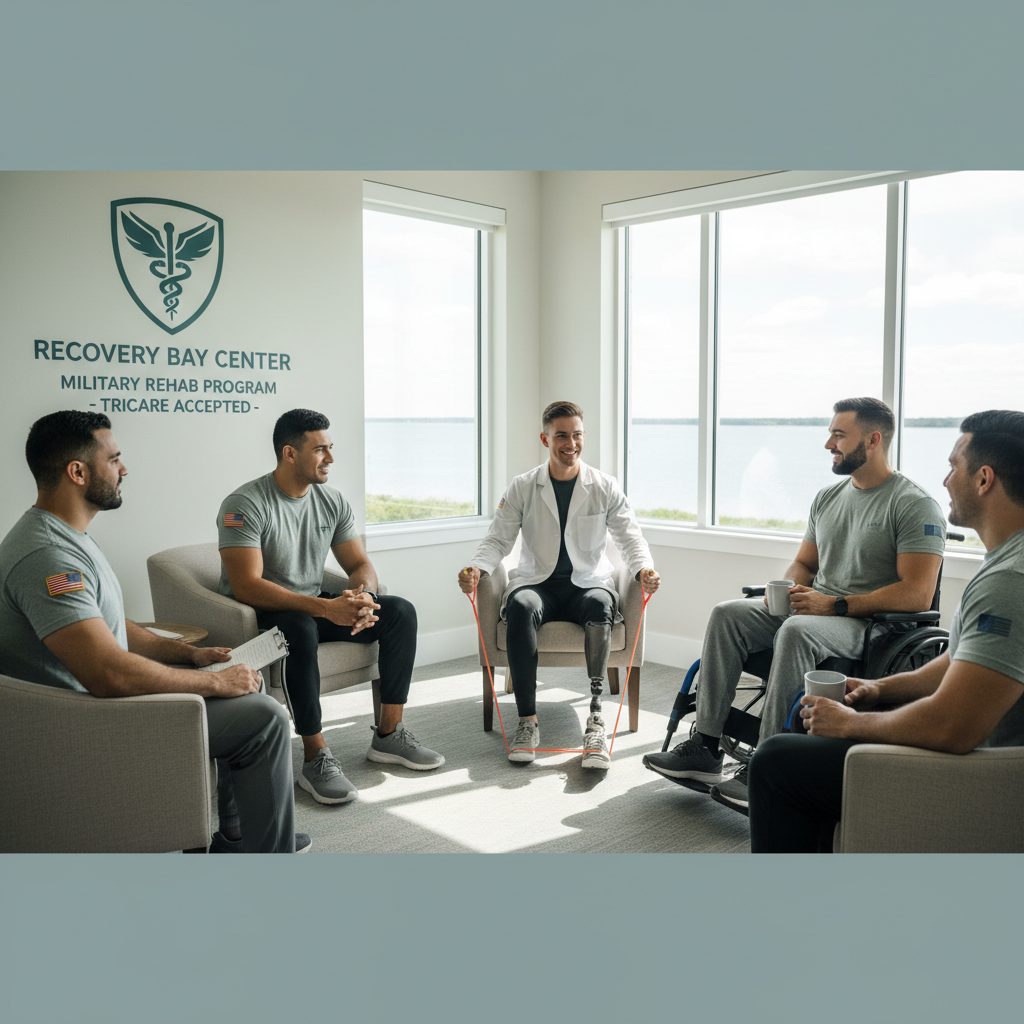

Entering a medically supervised detox program can feel overwhelming and isolating and you might worry about how you’ll handle withdrawal symptoms on your own. At Recovery Bay, you don’t have to face this process alone. We provide a comprehensive medical detox experience that prioritizes your safety through physician oversight, comfort medications and 24 7 nursing care. Right from the moment you arrive, our team ensures you’re supported in every way, helping you stay as comfortable as possible while we safely guide you through withdrawal.
24-hour nursing care involves skilled nursing professionals, including registered nurses and licensed practical nurses, delivering continuous care, 24 hours a day, 7 days a week [1]. This round-the-clock nursing support is critical when you’re withdrawing from opioids, stimulants or prescription medications. It allows our team to catch complications early and respond immediately to your needs, reducing risk and building your confidence throughout detox.
In this guide we will explore what medical detox entails and how you benefit from 24 7 nursing care, physician oversight and tailored treatment plans. You’ll see how these elements work together to create a safe withdrawal environment and how we incorporate comfort medications, holistic wellness therapies and structured aftercare planning to set you on a path toward lasting recovery.
Understand medical detox
Why supervised detox matters
When you decide to stop using substances, your body can react with uncomfortable or even life-threatening symptoms. Supervised medical detox ensures you’re not alone during this critical phase. Nurses and clinicians monitor your condition, ready to intervene if you experience severe anxiety, dehydration or other complications. This level of support helps you focus on recovery without fearing the worst.
Detoxing under professional care also reduces the risk of relapse. Withdrawal symptoms can trigger powerful cravings and emotional distress. Having a trained team at your side means you receive immediate relief measures—whether that’s medication to ease nausea or a calm environment to manage panic.
Role of physician oversight
A physician-led detox program provides the medical expertise needed to tailor your care plan. Your doctor will conduct a full health assessment, reviewing your medical history, current medications and level of physical dependence. Based on this evaluation, they design a treatment protocol that includes appropriate tapering schedules, comfort medications and monitoring strategies.
Throughout detox, your physician collaborates closely with our nursing team and allied professionals. If your symptoms change or new concerns emerge, adjustments can be made quickly. This dynamic approach ensures that your progress stays on track and that you receive individualized attention at every step of medical staff detox.
Explore 24 7 nursing care
Continuous monitoring benefits
With round-the-clock nursing support, your vital signs and overall condition are checked regularly. This vigilance offers several advantages:
- Frequent vital signs checks to detect early warning signs
- One-to-one observation for higher-risk patients
- Immediate response to emergencies or sudden symptom changes
- Ongoing patient education about what to expect
By maintaining this level of oversight, nurses can identify complications such as dehydration, electrolyte imbalances or cardiovascular stress before they escalate, giving you and your loved ones peace of mind.
Managing withdrawal symptoms
Withdrawal can include nausea, diarrhea, excessive sweating, insomnia and intense cravings. Under 24 7 nursing care, you’ll benefit from:
- Timely administration of antiemetics or antidiarrheals
- IV fluids to combat dehydration
- Scheduled comfort medications to ease muscle aches and anxiety
- Therapeutic support for sleep disturbances
This proactive symptom management helps you stay engaged in the detox process rather than being sidelined by discomfort. Your nurses are trained to balance medication use with non-pharmacological techniques—such as guided breathing exercises or gentle massage—to promote overall wellbeing.
Ensuring safety and comfort
Your physical safety and emotional wellbeing are top priorities. In addition to clinical monitoring, our nursing team fosters a therapeutic setting where you feel heard and cared for. Key elements include:
- Secure, calm environment that reduces stress and agitation
- Private or semi-private rooms designed for rest and privacy
- Access to personal items and comfort aids, like blankets or noise-reducing headphones
- Compassionate communication to help you process fears and emotions
By combining clinical vigilance with a supportive atmosphere, we create a setting where you can focus on healing. Learn more about our approach to a safe withdrawal environment.
Address opioid detox
Opioid withdrawal can be one of the most challenging forms of substance detox due to severe physical and psychological symptoms. Our 24 7 nursing care model ensures that you receive immediate support and personalized interventions throughout this critical phase.
| Symptom | Onset | Nursing intervention |
|---|---|---|
| Muscle aches | 6–12 hours | Administer analgesics, apply warm packs |
| Nausea/vomiting | 12–24 hours | Provide antiemetics, IV fluid therapy |
| Anxiety | 12–24 hours | Offer comfort medications, counseling |
| Insomnia | 2–3 days | Recommend non-addictive sleep aids |
| Intense cravings | 1–3 days | Use behavioral strategies, distraction |
Heroin detox considerations
If you’re detoxing from heroin, you may experience symptoms such as chills, sweating, diarrhea and tremors. Our nursing staff monitors your vital signs closely—particularly pulse and blood pressure—to catch any alarming trends. Comfort measures may include:
- Intravenous hydration for severe dehydration
- Low-dose clonidine to reduce anxiety and sweating
- Nutrition support to counteract appetite loss
You can also explore ongoing heroin addiction treatment once you clear detox.
Fentanyl withdrawal management
Fentanyl’s potency often leads to more intense and rapid onset withdrawal symptoms. Under continuous nursing care, your healthcare team can:
- Adjust taper schedules to reduce peak symptom severity
- Monitor for respiratory depression or rebound symptoms
- Provide emotional support for the frustration and fear that often accompany fentanyl detox
Following stabilization, our fentanyl addiction treatment track offers additional support tailored to your needs.
Managing prescription pain pill withdrawal
Prescription opioids—such as oxycodone, hydrocodone or morphine—require a careful taper to prevent severe discomfort. Nurses coordinate with physicians to reduce doses in controlled increments, ensuring you’re never abruptly off medication. Throughout the process, you’ll have access to:
- Hydration therapy to replace fluids lost through sweating or diarrhea
- Nutritional supplements to rebuild strength
- Counseling to address emotional triggers
For a deeper dive, visit our prescription pain pill addiction treatment and pain pill withdrawal management pages.
Support stimulant detox
Detox from stimulants such as cocaine, methamphetamine or prescription amphetamines presents distinct challenges. While there are no FDA-approved withdrawal medications for most stimulants, 24 7 nursing care provides the structure and supervision you need.
Cocaine withdrawal management
Cocaine detox often causes extreme fatigue, depression and increased appetite. Your nursing team will:
- Monitor mood changes to prevent self-harm risk
- Provide nutritional guidance to stabilize blood sugar levels
- Suggest sleep hygiene practices to reestablish healthy sleep patterns
Once you’re physically stable, consider our cocaine addiction treatment programs for ongoing care.
Methamphetamine detox support
Methamphetamine withdrawal may include severe exhaustion, paranoia and cognitive fog. Under constant nursing supervision, staff members can:
- Ensure you stay hydrated and nourished
- Offer structured activity schedules to reduce agitation
- Coordinate behavioral health sessions to address anxiety or depression
After detox, explore our methamphetamine addiction treatment services.
Guiding Adderall detoxification
Prescription stimulants like Adderall require a gradual taper to minimize withdrawal headaches, sleep disturbances and irritability. Nurses track each dose reduction and provide strategies such as:
- Multivitamin supplementation to support energy
- Relaxation techniques—like guided imagery—to ease tension
- Regular check-ins to adjust taper speed as needed
For more information, see our adderall addiction treatment resources.
Manage benzo detox safely
Benzodiazepines—including Xanax, Klonopin and Valium—carry a high risk of severe withdrawal complications. Abrupt discontinuation can lead to life-threatening seizures and extreme anxiety, making professional oversight essential.
Effective tapering strategies
To reduce risk, your nursing and medical team will develop a taper plan that may span weeks or months depending on:
- Your dosage level at admission
- Length of benzodiazepine use
- Co-occurring health conditions
A typical taper schedule decreases your daily dose by 10 percent every one to two weeks, with close monitoring for:
- Increased agitation or panic attacks
- Rebound insomnia
- Signs of neurological distress
Preventing complications
Under 24 7 nursing care, you receive:
- Seizure monitoring with continuous vital signs checks
- IV access for rapid treatment if needed
- Emotional support to manage panic and hyperacusis
Our goal is to guide you through a safe detox while preserving your dignity and comfort. Learn more about specialized benzodiazepine addiction treatment.
Provide pharmacological support
Medication plays a key role in smoothing the detox process and maintaining stability afterward. Our integrated approach leverages both short-term comfort meds and long-term medication assisted treatment.
Comfort medications overview
During acute withdrawal, you may receive non-addictive medications such as:
| Medication | Purpose | Typical use |
|---|---|---|
| Ondansetron | Prevent nausea and vomiting | 4–8 mg every 6–8 hours as needed |
| Loperamide | Control diarrhea | 2 mg after each loose stool |
| Clonidine | Reduce anxiety, sweating | 0.1–0.2 mg every 6–8 hours |
| Acetaminophen | Relieve headache and aches | 500–650 mg every 4–6 hours |
Your nursing team administers these medications according to best practices, ensuring you receive relief without risking new dependencies.
Medication assisted treatment
Once your body stabilizes, medication assisted treatment (MAT) can support ongoing recovery:
- Buprenorphine through a suboxone treatment rehab program to minimize cravings and withdrawal
- Extended-release naltrexone via our vivitrol treatment program to block opioid effects
MAT is integrated into your overall care plan, combining pharmacological support with counseling and peer groups for a holistic approach.
Integrate holistic wellness therapy
While medical and nursing interventions address the physical aspects of detox, holistic therapies support your emotional and spiritual wellbeing. By combining clinical care with wellness practices, you’ll build resilience that carries into long-term recovery.
Nutrition and chef meals
Proper nutrition accelerates healing, boosts immunity and improves mood. At Recovery Bay, you’ll enjoy:
- Balanced meals tailored to your dietary needs
- Therapeutic chef meals that focus on anti-inflammatory ingredients
- Private chef recovery meals for those with specific preferences or restrictions
Eating well helps you regain strength and mental clarity—both crucial during detox.
Mental health support
Detox can unearth trauma, anxiety and depression. Our holistic wellness therapy integrates:
- Individual and group counseling
- Mindfulness meditation and breathing exercises
- Art or music therapy to express emotions safely
These therapies complement clinical care, helping you process underlying issues and develop new coping skills. Discover our full holistic wellness therapy offerings.
Plan aftercare program
Completing detox is a major milestone, but recovery continues beyond withdrawal. A structured aftercare plan ensures you maintain momentum and address challenges before they trigger relapse.
Transition to rehab
Once detox is complete, you’ll work with our team to choose the right level of care:
- Residential or inpatient programs for immersive support
- Outpatient or partial hospitalization for greater flexibility
- Specialized tracks for opioid or stimulant recovery
Our aftercare planning program guides you through insurance, scheduling and transport arrangements, so your transition is seamless.
Maintain long term recovery
Your recovery journey is unique and ongoing. We connect you with resources such as:
- Peer support groups and 12-step meetings
- Individual therapy to address co-occurring disorders
- Continued care options including opioid addiction treatment and beyond
By planning ahead and building a support network, you give yourself the best chance at lasting sobriety and a healthier future.