
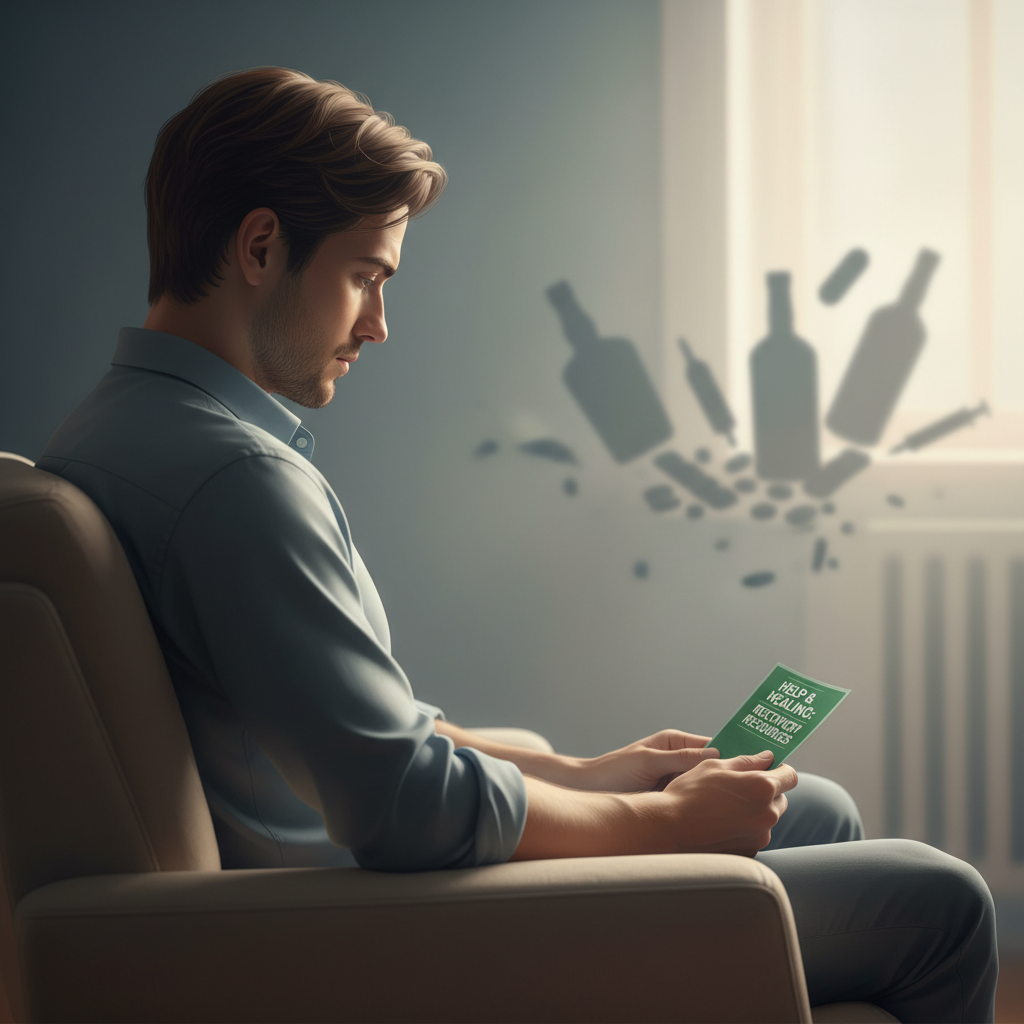
If you have started to wonder, “am I addicted to drugs or alcohol?”, you are already paying attention to something important. Questioning your relationship with substances is often one of the earliest and most important warning signs. Addiction, also called a substance use disorder, is a medical condition that affects your brain and behavior and can make it very hard to control your use of alcohol or drugs, even when you see negative consequences in your life [1].
This guide walks you through common emotional, behavioral, and physical signs that your use may be more serious than you realized. It also explains when it is time to seek professional help and what your next steps can look like.
Understanding what addiction really is
Addiction is not simply about how often you drink or use drugs. It is about the impact that use has on your brain, your choices, and your life.
Repeated use of alcohol or other drugs changes areas of your brain that are involved in learning, memory, judgment, and decision making [2]. Over time, you may feel less able to cut back, even if you promised yourself that you would. You might also start to feel physically unwell or emotionally distressed when you do not use.
Drug addiction can begin in many ways. For some people it starts as occasional recreational use. For others it begins with prescribed medications, especially opioids, which carry a higher risk of developing addiction quickly [1]. What matters most is not how it started, but how it is affecting you now.
If you want a deeper dive into specific indicators, you can also explore the more detailed breakdowns of warning signs of substance use disorder, behavioral signs of addiction, and signs of drug addiction in adults.
Emotional and mental signs to watch for
Your emotions and thoughts are often the first place that problematic use shows up. You may notice shifts long before obvious physical symptoms appear.
Changes in mood and thinking
You might be moving toward addiction if you notice patterns such as:
- Feeling more irritable, anxious, or on edge when you cannot use
- Mood swings that family or friends comment on
- Increased depression, hopelessness, or a sense of emptiness
- Racing thoughts about when you can drink or use next
- Trouble concentrating at work, school, or in conversations
People who misuse substances often try to minimize or hide these changes, even from themselves. You may catch yourself making excuses, ignoring feedback from loved ones, or blaming stress, other people, or circumstances for problems that are at least partly related to your use [2].
Using substances to cope
Another important sign is how you use drugs or alcohol in response to feelings or situations. You may be moving from casual use to a deeper problem if you:
- Regularly drink or use to relax, sleep, or “take the edge off”
- Turn to substances whenever you feel sad, angry, bored, or stressed
- Feel that you cannot get through social events, family gatherings, or daily responsibilities without using
If you rely on substances to manage difficult emotions or past trauma, it does not mean you have failed. It does mean that healthier, more sustainable forms of support could make a significant difference in your life.
Behavioral signs that your use is becoming a problem
Your behavior, choices, and habits often give some of the clearest answers to “am I addicted to drugs or alcohol?” Behavioral warning signs can show up in nearly every area of your life.
Loss of control and secrecy
One of the hallmarks of addiction is losing control over how much or how often you use. For example, you might:
- Intend to have “just one” and end up having much more
- Promise yourself you will only use on weekends, then break that rule
- Try to cut down or stop, but find that you repeatedly cannot [1]
Along with loss of control, secrecy often increases. You may start to:
- Hide alcohol or drugs from others
- Lie about how much you are using
- Use alone or in isolation rather than with others
- Get defensive or angry when someone asks about your drinking or drug use
These patterns are strong signals that your substance use is no longer fully under your control. If you want a focused overview of these behavioral patterns, the guide on behavioral signs of addiction offers additional clarity.
Shifts in priorities and responsibilities
As addiction develops, substances tend to move closer to the center of your life. You might notice that you:
- Miss work, school, or important appointments due to hangovers or being high
- Show up but perform poorly because you are distracted or unwell
- Lose interest in hobbies, sports, or activities that once mattered to you
- Spend less time with family or friends who do not use
- Spend more time with people who drink or use heavily
You may also find that you are spending more time obtaining, using, and recovering from substances. Over time this can push out other important responsibilities and relationships in your life.
Risky or harmful behavior
Another cluster of warning signs involves taking risks or ending up in dangerous situations because of your use. This may look like:
- Driving while intoxicated
- Mixing substances, such as alcohol with prescription drugs or illicit substances
- Having unprotected sex or sex you later regret
- Getting into fights or legal trouble while under the influence
If you find yourself in harmful situations linked to drugs or alcohol and you continue to use anyway, that is a key indicator of a possible substance use disorder [1].
Physical symptoms that suggest dependence
Physical changes often become more noticeable as your body adapts to regular substance use. These can be subtle at first, then more pronounced over time.
Tolerance and withdrawal
Tolerance means that you need more of a substance to feel the same effect you used to get from less. You might notice that you:
- Need several drinks to feel relaxed, when one or two used to be enough
- Take higher doses of prescription medications than prescribed
- Use stronger forms of a drug to reach the same high
Withdrawal refers to the physical and mental symptoms you feel when you cut back or stop using. Depending on the substance, withdrawal may include:
- Anxiety, restlessness, or irritability
- Nausea, vomiting, or stomach cramps
- Sweating, shaking, or feeling unusually hot or cold
- Trouble sleeping or vivid, unsettling dreams
- Intense cravings that feel hard to resist
With opioids and other certain substances, withdrawal can be very uncomfortable and can even cause physical illness [1]. If you suspect you might experience withdrawal, it is safer to talk with a medical professional before attempting to quit on your own.
You can learn more about specific physical symptoms of drug addiction if you want to compare what you are noticing with common patterns.
Other physical and health changes
Beyond tolerance and withdrawal, heavy or frequent use can lead to other physical warning signs. For example:
- Persistent fatigue and low energy
- Changes in appetite or weight
- Red or glassy eyes, or pupils that are unusually large or small
- Frequent headaches, stomach issues, or muscle aches
- Tremors, sweating, dizziness, or episodes of vertigo after heavy drinking [3]
In students and young adults, heavy alcohol use can lead to blackouts, where you cannot remember events while you were drinking. Blackouts at around a blood alcohol content of 0.14 percent, which is nearly twice the legal driving limit, are a sign of severe alcohol misuse [3].
If you notice that your physical health is declining, but you continue to use, this is another strong indicator that your relationship with substances may have crossed the line into addiction.
Signs specific to alcohol use
If your concern is “am I addicted to alcohol,” it can help to look at signs that are especially common with alcohol use disorder. According to the National Institute on Alcohol Abuse and Alcoholism, alcohol use disorder is diagnosed when you have at least two symptoms of impaired control or harmful impact over the past year. Severity ranges from mild with 2 to 3 symptoms, to moderate with 4 to 5, and severe with 6 or more [4].
Typical signs include:
- Drinking more or for longer than you planned
- Wanting to cut down or stop drinking, but not managing to
- Spending a lot of time drinking or recovering from drinking
- Craving alcohol when you are not drinking
- Continuing to drink even when it causes trouble with family, friends, work, or health
- Giving up or cutting back on activities you used to enjoy because of drinking
- Needing to drink more to feel the same effect
- Feeling withdrawal symptoms when the alcohol wears off, such as shakiness, sweating, or trouble sleeping [4]
People around you may also notice warning signs before you do. Family and friends might comment that you seem withdrawn, tired all the time, more easily upset, or more hostile than usual. These outside observations can be important clues that alcohol has become a problem [2].
If you are a man and suspect that drinking has started to affect your life, you may find it helpful to read more about the early signs of alcoholism in men.
“High functioning” addiction and subtle warning signs
Not everyone who is addicted looks like the stereotype. You might be keeping up with work, paying your bills, and maintaining relationships on the surface. This is sometimes called “high functioning” addiction.
You may be in this category if you:
- Meet your main responsibilities but feel you are only just holding things together
- Plan your day around when you can use or drink, even if others do not see it
- Hide the full extent of your use from colleagues, friends, or family
- Tell yourself that you cannot have a problem because your life still looks “okay”
People with high functioning addiction often minimize their symptoms and delay getting help, which can allow problems to worsen over time. Exploring resources about high functioning addiction signs can help you recognize patterns that are easy to overlook.
When your loved ones are concerned
Sometimes the question is not only “am I addicted to drugs or alcohol,” but also “is someone I care about struggling with addiction?” It can be very hard to see a partner, family member, or friend go through this, and just as hard to know what is really happening.
Common signs that someone close to you may have a substance use disorder include:
- Noticeable changes in mood, sleep, or energy
- Pulling away from family or long-term friends
- Sudden changes in social groups or activities
- Unexplained money problems or missing items
- Legal issues or frequent accidents
- Strong reactions, denial, or anger when you gently raise concerns
You can learn more about what to look for and how to approach the situation in resources on how to recognize addiction in a loved one and how to tell if someone needs rehab.
When to seek professional help
It is common to tell yourself that your use is temporary or that you will cut back when things calm down. Many people believe they are using alcohol or drugs only to cope with temporary pain, stress, grief, or trauma. As a result, it can be difficult to recognize that dependence has developed [2].
In reality, seeking help early gives you the best chance of long term recovery. You should consider reaching out to a professional if:
- You have tried to cut down or stop and have not been able to
- Your use is affecting your work, school, finances, or relationships
- People you trust have expressed concern more than once
- You experience withdrawal symptoms when you stop
- You feel out of control around substances or scared by your own behavior
A substance use disorder evaluation can be a very helpful first step. During this kind of assessment, a counselor or clinician asks you structured questions about:
- How often and how much you drink or use drugs
- The types of substances you use
- The circumstances of your last use
- Any feelings of guilt, shame, or concern you have
- Whether others have expressed worry about your use
- Your medical and mental health history, and whether other people use with you
This evaluation typically takes about 30 to 60 minutes, and a written report is often completed within a few days [5]. The goal is to understand how your use is affecting different parts of your life and to recommend a level of care that matches your needs.
Even when a full addiction diagnosis is not made, an evaluation can show where your use is starting to interfere with family, work, social life, or finances [5]. In some cases, such an assessment can also show courts or judges that you are taking charges seriously and can support fair treatment in legal settings.
For more guidance on this turning point, you can visit resources that explain when to seek treatment for addiction.
If your use is causing harm in your life, or you feel unable to control it, that is enough reason to seek help. You do not need to wait for a crisis or a specific number of symptoms.
What treatment and support can look like
If you are worried that you might be addicted to drugs or alcohol, it is natural to feel nervous about the idea of treatment. Understanding your options can make taking that first step less overwhelming.
Professional treatment options
Seeking help early from health care providers, mental health specialists, or support groups can significantly improve your chances of long term recovery [1]. Treatment can include:
- Medical detox, especially if you are at risk of severe withdrawal
- Outpatient counseling or intensive outpatient programs
- Residential or inpatient rehab if you need a structured environment
- Behavioral therapies, such as cognitive behavioral therapy, motivational enhancement, or family counseling, which aim to change drinking or drug use behavior through structured counseling [4]
- Medications that are approved to help people reduce or stop drinking and prevent relapse. These medications are nonaddictive and generally used alongside counseling [4]
Most people with alcohol use disorder or other substance use disorders can benefit from some form of treatment and support. Many are able to reduce their use, experience fewer substance related problems, and build more stable and satisfying lives [4].
Persistence is important. Substance use disorders are chronic, relapsing conditions. A return to use does not mean you have failed. It means that treatment and support might need to be adjusted, not abandoned [4].
Confidential national help and referrals
If you are not sure where to start, you can contact SAMHSA’s National Helpline. This is a free, confidential service that operates all day, every day. It offers treatment referral and information for individuals and families facing substance use or mental health disorders, including drug and alcohol addiction [6].
You can:
- Call 1-800-662-HELP (4357)
- Text your 5 digit ZIP code to 435748 (HELP4U)
Staff can connect you with local treatment facilities, support groups, and community based organizations that work with substance use and addiction issues [6]. The service does not require health insurance, and it can help you find options whether or not you have coverage. This includes state funded programs and facilities that provide affordable substance abuse treatment through sliding fee scales [6].
Importantly, the helpline protects your privacy. They do not request personal identifying information beyond basic geographic details like your ZIP code, which helps maintain confidentiality for people who are seeking help [6].
In 2020, SAMHSA’s helpline received more than 833,000 calls, a 27 percent increase from the previous year. This rise reflects how many people are reaching out for support with substance use disorders, and you can be one of them [6].
Taking your next step
If you find yourself asking “am I addicted to drugs or alcohol,” it is worth listening closely to that question. You do not need to wait until you hit a clear “bottom” or lose everything. If your use is affecting your health, relationships, work, or sense of self, that is a sign that change is worth exploring.
You might choose to:
- Talk honestly with your doctor or a mental health professional
- Schedule a substance use assessment
- Call or text SAMHSA’s National Helpline to learn about local resources
- Share your concerns with a trusted friend or family member
You can also continue learning by reading more about warning signs of substance use disorder and when to seek treatment for addiction. The most important thing is not to stay stuck in uncertainty. Reaching out for information and support is a real and meaningful step toward a healthier future.