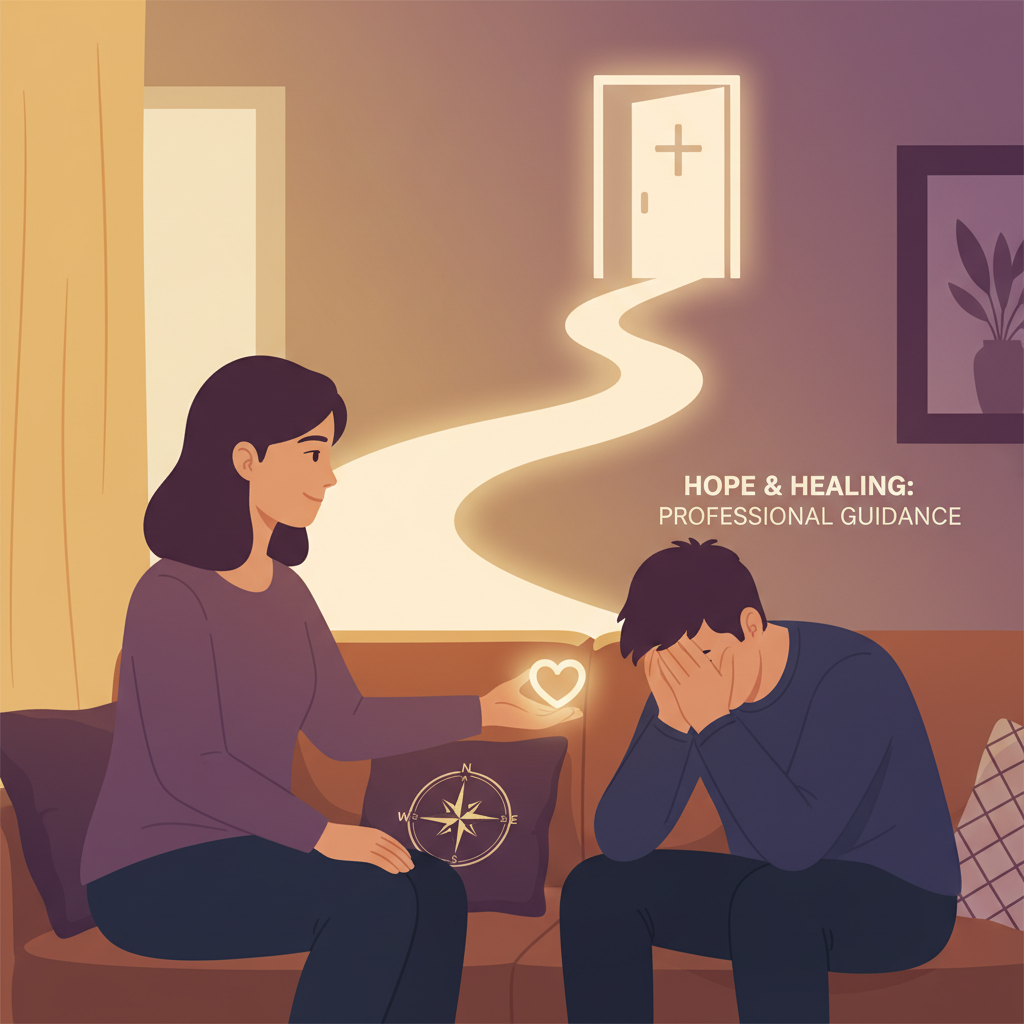

Why it is hard to tell if someone needs rehab
Figuring out how to tell if someone needs rehab is rarely straightforward. Addiction often develops gradually, and denial is common for both the person using substances and the people close to them. You might notice changes in mood, health, or behavior, but still wonder if it is really “bad enough” to need professional help.
You are not alone in this uncertainty. Millions of people need addiction services, but only a small percentage ever receive treatment, which highlights a large gap between need and action [1]. Understanding early warning signs and knowing when to step up to structured care can help you make clearer decisions for yourself or someone you love.
Understanding substance use disorder
Before you can decide if rehab is appropriate, it helps to understand what clinicians mean by a substance use disorder, often called addiction. A substance use disorder is a medical condition where someone continues to use alcohol or drugs despite significant negative effects in different areas of life [2].
Professionals use criteria from the Diagnostic and Statistical Manual of Mental Disorders (DSM-5) to diagnose this condition. Meeting at least two of these criteria within a 12 month period can indicate a mild substance use disorder, while more criteria suggest a moderate or severe disorder [2]. You do not need to meet all criteria for treatment to be beneficial.
If you want a more personal starting point, you can explore questions like am i addicted to drugs or alcohol to reflect on your own situation. This type of self reflection does not replace a professional assessment, but it can help you recognize patterns that deserve attention.
Early warning signs you should not ignore
In the early stages, addiction can be subtle. You might only see small shifts in behavior, mood, or priorities. These early warning signs are crucial, because intervening now can prevent more serious harm later.
Many people notice emotional or relational changes before anything else. You may see a loved one become more secretive or irritable. You may also notice small but consistent changes in daily routines, such as sleeping later, missing appointments, or being less engaged at work or at home. These patterns can be easy to minimize, but they are often the first clues that substance use is moving from occasional to problematic.
For a deeper look at the beginning stages, you can read about warning signs of substance use disorder, especially if you feel like something is “off” but cannot pinpoint why.
Behavioral signs that point toward addiction
Behavioral changes are often one of the clearest ways to tell if someone may need rehab. These shifts often appear before serious physical complications, and they can affect almost every area of life.
Common behavioral signs include increased secrecy, lying about where time or money is spent, and withdrawing from usual hobbies and relationships. You may notice frequent unexplained absences from work or school, repeated conflicts with family, or a growing pattern of broken promises about cutting back. Financial strain, such as borrowing money, missing bill payments, or selling belongings, can also signal a growing problem.
These changes are rarely random. They typically reflect the increasing priority that substances take over other responsibilities and values. If you want to explore specific behaviors in more detail, resources on behavioral signs of addiction and signs of drug addiction in adults can help you compare what you are seeing with common clinical patterns.
Physical and health symptoms to watch for
Physical changes can be another clear answer to how to tell if someone needs rehab. While each substance has its own effects, there are recurring themes that often show up as use progresses.
You might see unexplained weight loss or weight gain, frequent nausea or vomiting, shaking hands, or noticeable changes in speech or coordination. Sleep patterns can swing between insomnia and excessive sleeping. Chronic fatigue, frequent illnesses, and poor personal hygiene may become more visible. Some people develop visible marks on the skin, bloodshot eyes, or nosebleeds, depending on the substance they use.
You can review more specific examples by looking at physical symptoms of drug addiction, especially if you are trying to distinguish between general health problems and substance related effects. Physical symptoms alone do not confirm addiction, but when combined with emotional and behavioral changes, they strongly suggest that professional assessment is needed.
Emotional and mental health red flags
Substance use and mental health are closely linked. Emotional changes are often as important as physical or behavioral signs when you are deciding if rehab might be necessary.
You may notice new or worsening depression, anxiety, or mood swings. Some people experience intense irritability or anger that feels out of character. Others become unusually apathetic and lose interest in activities they used to enjoy. In more severe cases, people may experience paranoia, confusion, or psychotic symptoms such as hearing or seeing things that are not there [2].
These emotional shifts can be caused or worsened by substances, and they can also make it harder for someone to seek help voluntarily. When mental health symptoms and substance use are appearing together, this often points toward the need for a structured, comprehensive treatment plan rather than trying to handle everything alone.
Lifestyle and relationship changes that signal trouble
As addiction deepens, it often disrupts everyday life. These lifestyle changes can sometimes be easier for you to recognize than internal struggles.
You might see patterns such as:
- Declining performance at work or school
- Repeated absences or lateness
- Losing jobs or dropping out of programs
- Pulling away from family and long term friends
- Spending more time with new friends who also use substances
- Increased conflicts, arguments, or even domestic incidents
Legal and financial issues are also meaningful indicators. Arrests for driving under the influence, possession, or other substance related offenses are strong warnings that use is out of control. Courts may mandate treatment assessments or rehab as part of sentencing or probation conditions, often monitored through drug courts [3].
If you are seeing a cluster of these lifestyle and relationship changes, it is reasonable to consider that rehab could be an appropriate next step, even if the person insists they are fine.
High functioning addiction and subtle signs
Not everyone with a serious addiction looks obviously unwell. High functioning addiction can make it harder to tell when rehab is needed, because the person may still hold a job, maintain a household, or appear socially successful.
In these situations, you might notice more subtle issues. The person may rely on substances to cope with stress every day, need alcohol or drugs to socialize, or become defensive whenever their use is questioned. They may often “overdo it” on weekends or after work but point to their achievements as proof that everything is under control.
Resources on high functioning addiction signs can help you identify patterns that might be easy to overlook, especially if you or your loved one is achieving on the surface while struggling privately.
When early use becomes a substance use disorder
It can be difficult to pinpoint the exact moment when casual use crosses the line into a substance use disorder. Rather than focusing on how often someone uses, it is often more helpful to focus on how that use is affecting their life.
Key questions include:
- Are there repeated attempts to cut down or stop that do not last?
- Is more of the substance needed to get the same effect as before?
- Are important activities or responsibilities being neglected because of use?
- Is the person continuing to use despite clear medical, legal, or relational harm?
Meeting at least two standardized criteria within a 12 month period suggests a mild substance use disorder, and more criteria indicate a more severe condition [2]. You do not need to wait until things are severe to seek help. If you are already concerned enough to ask how to tell if someone needs rehab, that is itself an important signal.
Professional assessment and screening
If you recognize several signs but still feel unsure, a professional assessment can bring clarity. High quality addiction treatment usually starts with a thorough evaluation of substance use history, mental health, physical health, family and social supports, and readiness to change [4].
Effective screening is designed to prevent important issues from being missed, such as past trauma, chronic pain, or co occurring psychiatric disorders like depression or anxiety. Integrated programs look at the whole person instead of focusing only on the substance use, which generally leads to better long term outcomes [4].
If you are uncertain where to start, SAMHSA’s National Helpline is a free, confidential, 24 hour resource that can provide referrals to local treatment centers, support groups, and community organizations in the United States. You can call 1 800 662 HELP (4357) or text your ZIP code to 435748 for guidance on where to get an assessment [5].
You are not required to provide personal identifying information to use SAMHSA’s Helpline, so you can explore options and ask questions while maintaining your privacy [5].
When outpatient support is not enough
Not everyone who struggles with substances needs inpatient rehab. Some people benefit from outpatient counseling, support groups, or medication management. However, there are specific situations where more intensive or residential care is usually recommended.
Rehab becomes more clearly necessary when:
- There is significant risk of dangerous withdrawal
- Attempts at outpatient care have not led to sustained change
- The home environment is not safe or is heavily linked to substance use
- There are serious co occurring mental health conditions or medical problems
- Substance use has led to repeated overdoses, accidents, or hospitalizations
Comprehensive addiction treatment often includes medically supervised detox if needed, followed by inpatient or outpatient rehab that uses counseling, behavioral therapies, medications when appropriate, and aftercare planning [2]. Staying for the full recommended duration of treatment is associated with better outcomes, although program lengths vary based on the severity of use and other conditions [2].
If you are trying to sort out when to move from concern to formal treatment, it can help to compare your situation with guidance on when to seek treatment for addiction.
Recognizing advanced and crisis level signs
In some cases, the question is not just how to tell if someone needs rehab, but whether urgent or even involuntary intervention is necessary to keep them safe.
Indicators of advanced or crisis level addiction can include:
- Serious self neglect, such as not eating, hydrating, or maintaining basic hygiene
- Repeated overdoses or near fatal incidents
- Violence toward self or others while intoxicated
- Severe confusion, hallucinations, or psychosis related to substance use
- Inability to meet basic needs like shelter, food, or medical care
In many U.S. states, laws allow family members or other concerned individuals to petition courts for involuntary addiction treatment under specific conditions. To obtain involuntary commitment, you typically must show that the person has a substance use disorder and has harmed themselves or others, is at high risk of doing so, or is unable to meet basic needs because of their use [1].
Research indicates that court ordered or compulsory treatment can account for up to one third of rehab admissions, and individuals who are coerced into treatment often stay longer and have outcomes that are comparable to or better than those who enter voluntarily [1]. While involuntary rehab is a serious step, it can be a lifesaving option when someone is unable or unwilling to seek help on their own.
Considering involuntary rehab in extreme situations
Involuntary rehabilitation is typically reserved for situations where someone’s substance use is putting them or others at serious risk, and where they are unable or unwilling to pursue voluntary treatment. This can occur when denial is very strong, when mental health issues are intertwined with substance use, or when judgment is so impaired that voluntary decisions about care are not realistic [3].
The general process can involve filing an emergency petition, obtaining professional evaluations and affidavits from healthcare providers, and ensuring that the person has access to legal counsel [3]. These safeguards are meant to balance the need to protect someone’s safety with respect for their rights.
Even if you never pursue involuntary options, learning about them can clarify how severe a situation has become. If you are wondering whether use has crossed into danger, it is usually a sign to seek professional guidance immediately.
How to talk to someone you think needs rehab
Approaching a loved one about rehab is often emotional and stressful. You may fear conflict, rejection, or making things worse. Planning the conversation carefully can help you communicate your concern clearly while preserving as much trust as possible.
Try to choose a time when the person is sober and the environment is relatively calm. Use specific examples of what you have seen, such as changes in mood, health, or behavior, rather than broad accusations. Emphasize that your goal is to support them, not to punish them. You can offer information about treatment options and encourage them to consider an assessment.
Professional intervention services can also help when conversations at home have not led to change. Interventions, when done thoughtfully, can sometimes bridge the gap between denial and acceptance of help, and they can clarify when more formal measures, including involuntary rehab, might be needed [3].
Deciding your next step
Sorting out how to tell if someone needs rehab is not an exact science. You are weighing patterns over time, not looking for a single definitive moment. However, if substance use is consistently harming physical health, mental wellbeing, relationships, work, or safety, it is reasonable to treat it as a serious condition that deserves structured care.
For men in particular, social expectations can make acknowledging a problem feel even harder. If you are concerned about alcohol specifically, you may find it helpful to look at early signs of alcoholism in men for gender specific patterns that sometimes get overlooked.
If you or someone you care about is showing multiple behavioral, physical, and emotional signs of addiction, or if you are seeing escalation into legal trouble or medical emergencies, you do not need to wait for rock bottom. You can contact a local provider, use SAMHSA’s National Helpline for referrals, or explore more in depth guides like how to recognize addiction in a loved one to support your next step.
The earlier you move from uncertainty to action, the more options you typically have, and the better the chances are for sustainable recovery.