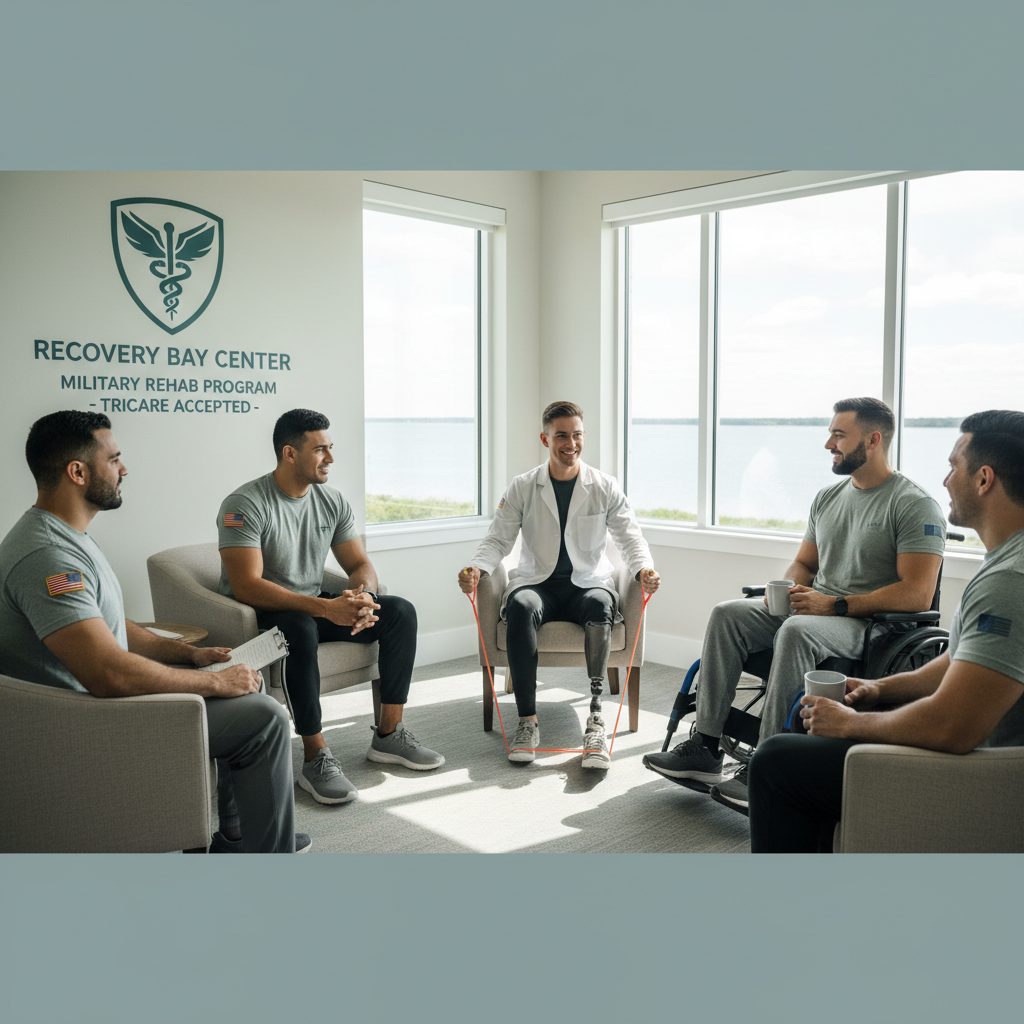

If you’re balancing symptoms of anxiety, depression, post-traumatic stress, or other mental health concerns alongside substance use, a specialized men’s mental health rehab can help you address both sides of your condition together. These programs use dual diagnosis therapy to tackle co-occurring disorders in a unified treatment plan. By combining evidence-based approaches such as cognitive behavioral therapy, dialectical behavior therapy, and emdr trauma therapy with holistic methods like yoga, meditation, and trauma-informed care, you gain tools for emotional regulation, relapse prevention, and long-term wellness.
Whether you choose a residential track—anxiety treatment residential, depression treatment residential, ptsd treatment residential, ocd treatment residential, or bipolar disorder treatment—or an outpatient model, integrated care ensures you’re not treating one issue at the expense of another. You’ll have access to psychiatric support, family therapy, peer groups, and individualized coaching so you can build a stable foundation for lasting recovery.
Throughout this article, you’ll learn how targeted therapies, holistic modalities, relapse prevention techniques, and ongoing support work together in a men’s mental health rehab setting. Armed with this knowledge, you can choose a program that aligns with your goals and take control of your recovery journey.
Understanding dual diagnosis
Defining co-occurring disorders
Dual diagnosis refers to the presence of both a substance use disorder and one or more mental health conditions. In a men’s mental health rehab program, dual diagnosis therapy is structured so you treat each condition simultaneously, rather than addressing them in isolation. This integrated approach reduces the risk of relapse, since untreated mood or anxiety disorders can drive substance use as a form of self-medication.
Barriers to recovery
Many men struggle to admit they need help, viewing it as a sign of weakness. Yet acknowledging the need for support is a critical first step toward sobriety [1]. You may also resist questioning your own behaviors or believe you can handle problems on your own, which can delay effective treatment. Recognizing these patterns helps you work through them with professional guidance.
Impact on treatment planning
When you enter a program tailored for dual diagnosis, clinicians conduct a comprehensive assessment of your mental health history, substance use patterns, medical background, and social supports. This data informs a personalized care plan that blends therapy, medication, and wellness strategies, ensuring you receive the right level of individual therapy, group sessions, and psychiatric support.
Exploring evidence-based therapies
Cognitive behavioral therapy
Cognitive behavioral therapy (CBT) helps you identify and challenge unhelpful thoughts that fuel both substance use and mental health symptoms. By learning healthier thinking patterns, you build resilience against triggers and cravings. CBT sessions can be individual or part of a group setting, and they form the backbone of most integrated treatment plans.
Dialectical behavior therapy
Dialectical behavior therapy (DBT) adds skills for emotional regulation, distress tolerance, interpersonal effectiveness, and mindfulness. You’ll practice concrete techniques—such as paced breathing or self-soothing exercises—that empower you to navigate intense emotions without reverting to substance use. DBT groups often foster peer support, so you feel less isolated in your challenges.
EMDR trauma therapy
Emdr trauma therapy addresses the impact of past trauma on your substance use and mental health. Through guided eye movements or alternate bilateral stimulation, EMDR helps you process distressing memories so they lose their power to trigger overwhelming emotions. When trauma underlies your addiction, this targeted approach can break long-standing patterns of avoidance or self-medication.
Embracing holistic modalities
Yoga and meditation
Incorporating yoga and meditation into your daily routine enhances mind-body awareness and supports emotional balance. Structured classes teach breath control, gentle stretching, and focused attention. Over time, these practices can improve sleep, reduce anxiety, and strengthen your ability to stay present rather than being pulled into cravings or depressive thoughts.
Trauma informed therapy
A trauma informed therapy program recognizes that past emotional or physical harm affects how you respond to stress and social connections. Therapists create a safe environment, avoid retraumatizing language, and emphasize client empowerment. This approach dovetails with evidence-based treatments to ensure you feel secure enough to explore sensitive topics.
Stress management therapy
Stress management therapy equips you with tools to cope with everyday pressures, whether work demands, relationship conflicts, or unexpected setbacks. Techniques may include guided relaxation, biofeedback, time management coaching, and problem-solving exercises. Learning to manage stress effectively reduces one of the most common relapse triggers.
Building relapse prevention
Identifying warning signs
Effective relapse prevention begins with recognizing your personal triggers—situations, emotions, or thought patterns that make you vulnerable to substance use. Through journaling, role-play exercises, and therapist-led discussions, you’ll map out high-risk scenarios so you can prepare strategies in advance.
Relapse prevention therapy
Engaging in relapse prevention therapy helps you develop a concrete plan for maintaining sobriety. You’ll learn to implement coping skills, set realistic goals, monitor your progress, and enlist support when you face setbacks. Regular check-ins with a counselor keep you accountable and adaptive as your needs evolve.
Ongoing psychiatric support
Medication can be a vital component of your recovery, especially if you’re managing conditions such as depression, anxiety, or bipolar disorder. In a men’s mental health rehab setting, psychiatric support therapy ensures proper dosing, monitors side effects, and adjusts prescriptions as your symptoms change. Research shows that medications like disulfiram may be more effective for men with certain substance disorders, while others require careful selection to optimize outcomes [2].
Leveraging support networks
Individual and process support
One-on-one individual therapy addiction sessions give you space to explore personal challenges, set goals, and receive tailored feedback. If you face behavioral patterns such as compulsive gambling or compulsive internet use, adding process addiction support can address those tendencies alongside substance use and mental health concerns.
Group program and trauma groups
Group program addiction sessions and trauma group therapy unite you with peers who understand your struggles. Sharing experiences reduces isolation, fosters accountability, and generates communal wisdom about coping strategies. In trauma-focused groups, you’ll practice safe self-disclosure and receive validation from others who have faced similar wounds.
Family therapy
Including your loved ones in treatment through family therapy can repair communication patterns, set healthy boundaries, and build a stronger support system. Families learn about addiction and mental illness, practice conflict resolution skills, and develop strategies to help you stay motivated during and after rehab.
Finding men’s mental health rehab
Specialized program offerings
When researching facilities, look for centers that list integrated mental health treatment addiction on their program menus. You may find dedicated tracks for:
- Anxiety [3]
- Depression [4]
- PTSD [5]
- OCD [6]
- Bipolar disorder [7]
Each track combines relevant therapy modalities, medication management, and peer support tailored to the condition you’re facing.
Insurance and accreditation
Most reputable men’s mental health rehabs hold Joint Commission or CARF accreditation, signaling they meet high clinical standards. Many accept PPO, HMO, and major insurance plans, and some offer free benefit verification to help you understand coverage limits and out-of-pocket costs.
Admission requirements
Before you enroll, programs typically require a medical evaluation, psychiatric intake, and substance use assessment. Some centers accept walk-ins, while others need a referral. Ask about deposit policies, length of stay options, and aftercare planning to ensure the program aligns with your schedule and goals.
Planning long-term support
Alumni networks
Staying connected to the rehab community after you leave boosts your chances of long-term success. Alumni networks often host regular meetups, online forums, and mentorship programs where you can share wins, seek advice, and maintain accountability.
Continuing care model
A structured continuing care plan may include periodic check-ins with your therapist, booster sessions of dual diagnosis therapy, outpatient group meetings, and monthly medical reviews. This phased approach eases your transition back to daily life while preserving a safety net.
Personal maintenance strategies
Sustaining recovery involves daily self-care habits: regular exercise, balanced nutrition, sleep hygiene, mindfulness practices, and time with supportive peers or family. You might revisit holistic tools learned in rehab—such as meditation or gentle yoga—to recalibrate when stress levels rise.
By embracing an integrated approach that blends evidence-based and holistic therapies, relapse prevention strategies, and ongoing psychiatric care, you take ownership of your healing journey. Specialized men’s mental health rehab offers the structure and support you need to build resilience, reclaim your well-being, and live with greater purpose.
References
- (Red Oak Recovery)
- (American Addiction Centers)
- (anxiety treatment residential)
- (depression treatment residential)
- (ptsd treatment residential)
- (ocd treatment residential)
- (bipolar disorder treatment)