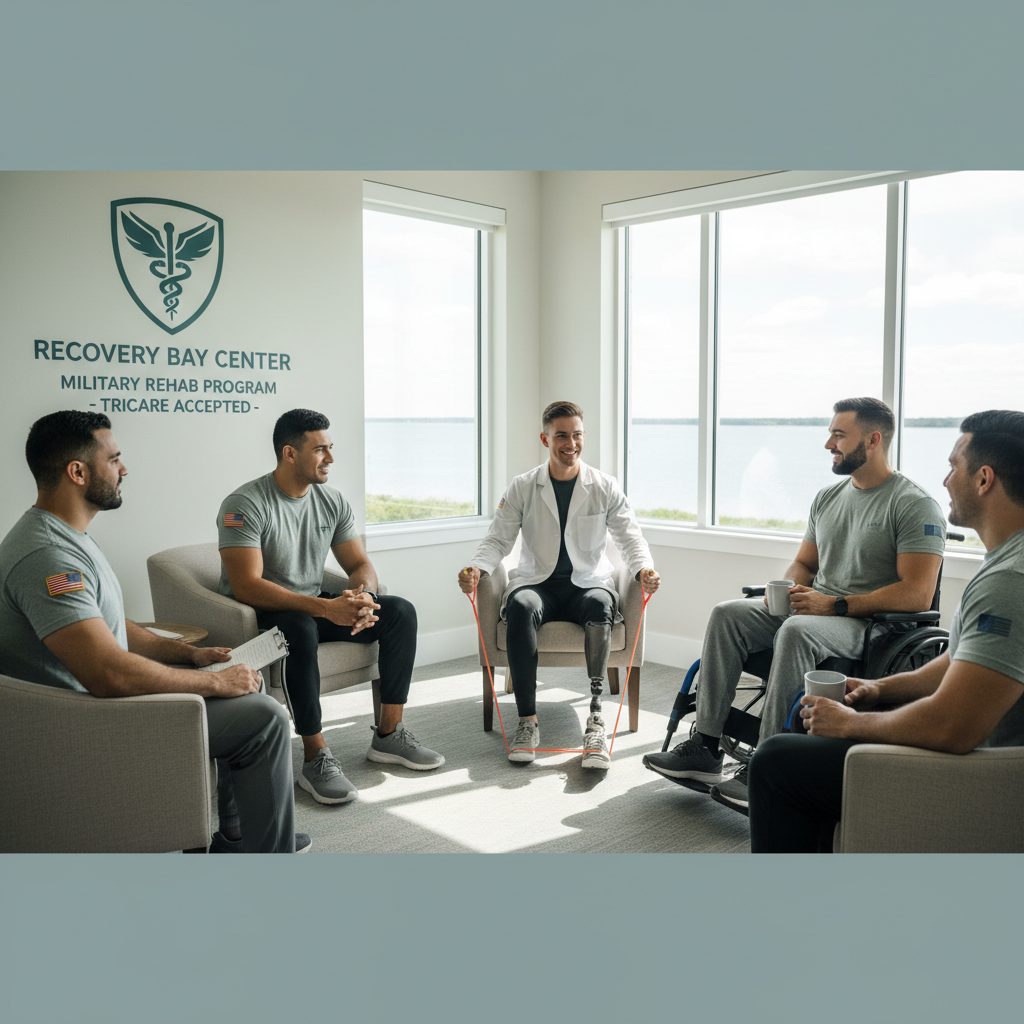

Embarking on opioid addiction treatment can feel overwhelming, yet taking the essential steps in your recovery journey ensures you receive the comprehensive care necessary for lasting healing. Safe withdrawal management under medically supervised detox safeguards both your physical health and emotional well-being. With physician oversight, comfort medications, and round-the-clock support, you can navigate withdrawal with confidence and begin building a foundation for sustainable sobriety.
Understand safe withdrawal management
When you enter a drug-specific detox program, you benefit from evidence-based protocols designed to minimize discomfort and risk. Safe withdrawal management focuses on gradually reducing dependence on opioids, stimulants, or prescription medications under medical supervision. This approach:
- Addresses unique challenges posed by each substance
- Provides a supportive environment for physical stabilization
- Lays the groundwork for tailored treatment programs
In a dedicated facility like Recovery Bay, you’ll find a structured setting where experts monitor vital signs, adjust medications, and offer compassionate care. By prioritizing safety and comfort, your detox experience becomes the first step toward a healthier life.
Start with a thorough assessment
A comprehensive evaluation ensures your detox plan aligns with your medical history, substance use patterns, and co-occurring conditions. During this phase, you’ll undergo:
Medical evaluation
- Vital signs check (heart rate, blood pressure, temperature)
- Laboratory tests to assess organ function
- Review of past withdrawal symptoms and complications
Addiction history review
- Type and duration of substance use
- Previous detox attempts and treatment outcomes
- Co-occurring mental health concerns
This assessment informs an individualized plan that addresses both your physical dependence and any underlying factors contributing to addiction.
Manage withdrawal symptoms
Effective symptom management reduces discomfort and lowers the risk of complications such as dehydration, severe anxiety, or seizures. Your detox protocol may include:
Comfort medications and MOUD
Medications for opioid use disorder (MOUD) help normalize brain chemistry, relieve cravings, and prevent withdrawal symptoms without producing a high. Common options include:
| Medication | Route | Purpose |
|---|---|---|
| Methadone | Oral daily dosing | Reduces withdrawal syndrome and drug cravings with supervised dosing |
| Buprenorphine | Sublingual, implant, injection | Partial opioid agonist that eases cravings and withdrawal ([NIDA]) |
| Naltrexone | Extended-release injection | Blocks opioid receptors, reducing euphoria and cravings ([NIDA]) |
| Lofexidine | Oral | Non-opioid treatment for withdrawal symptoms like muscle aches and insomnia ([NIDA]) |
Regular adjustments to your regimen ensure you receive the optimal dose for comfort and safety.
Physician oversight and 24/7 care
Under a medical staff detox model, licensed physicians and nurses continually assess your progress. You benefit from:
- Routine vital sign monitoring
- Medication adjustments for comfort
- Immediate response to any medical emergencies
Our program provides 24 7 nursing care so you never face withdrawal alone. This constant support builds trust and reinforces your commitment to recovery.
Creating a safe withdrawal environment
A controlled setting minimizes external triggers and distractions. In a safe withdrawal environment, you’ll experience:
- Private or semi-private accommodations
- A calm atmosphere free from substance cues
- Supportive staff trained in trauma-informed care
This safe space empowers you to focus solely on your physical and emotional stabilization.
Incorporate supportive therapies
While medications address the physical aspects of detox, complementary therapies promote holistic healing and stress management.
Holistic wellness therapy
Practices such as yoga, meditation, and acupuncture enhance relaxation, reduce anxiety, and support mind-body balance. Through holistic wellness therapy, you’ll learn coping strategies that extend into long-term recovery.
Nutritious meals and chef-prepared options
Proper nutrition aids cellular repair and mood stabilization. Recovery Bay offers both therapeutic chef meals and private chef recovery meals designed to:
- Replenish essential vitamins and minerals
- Stabilize blood sugar to reduce cravings
- Delight your palate during a stressful time
Mental health support
One-on-one sessions with counselors address anxiety, depression, and trauma that often accompany withdrawal. Integrating psychotherapy with detox ensures you receive comprehensive care for mind and body.
Transition to ongoing treatment
Detox is only the first phase of your recovery journey. To sustain progress, you’ll move into structured therapy and aftercare planning.
Behavioral therapy and counseling
Evidence-based approaches, such as cognitive behavioral therapy (CBT), teach you to identify triggers, challenge negative thought patterns, and develop healthy coping mechanisms. Individual and group sessions foster accountability and mutual support.
Aftercare planning program
Early planning for life after detox boosts your chances of lasting success. Through our aftercare planning program, you’ll:
- Set achievable goals and establish routines
- Identify community resources and support groups
- Coordinate follow-up care with outpatient providers
This step ensures continuity of care and a clear roadmap for your ongoing recovery.
Access specialized detox tracks
Depending on your substance of choice, you may require a drug-specific approach. Recovery Bay offers dedicated programs for opioids, stimulants, and various prescription medications.
Opioid detox options
Medications and protocols vary based on the opioid you use. You may engage in a suboxone treatment rehab to reduce cravings or opt for a vivitrol treatment program to block opioid effects. These tailored programs address:
- Heroin dependence [1]
- Fentanyl withdrawal [2]
- Prescription opioid tapering [3]
Stimulant detox options
Although stimulants lack FDA-approved MOUD, medical oversight remains critical for safe withdrawal. We provide:
- Medical monitoring for cardiovascular symptoms
- Psychosocial interventions for cravings
- Referrals for cocaine addiction treatment and methamphetamine addiction treatment
Prescription drug detox options
Withdrawal from prescription medications can present unique challenges:
- Benzodiazepines may require a slow taper [4]
- Adderall and other stimulants focus on supportive care [5]
- Kratom users receive individualized tapering plans [6]
Each track uses tailored treatment programs to address the specific physiology and risks of the substance.
Sustain long-term recovery
Completing detox marks a milestone, not the finish line. To build on your progress:
Build a support network
Peer groups, family therapy, and community resources reinforce accountability and connection. Consider:
- 12-step meetings or SMART Recovery groups
- Alumni programs at your treatment center
- Family education workshops
Practice relapse prevention strategies
Develop a personalized relapse prevention plan that includes:
- Identifying high-risk situations and coping skills
- Ongoing therapy for emerging stressors
- Healthy lifestyle habits—exercise, sleep hygiene, nutrition
By combining a supportive environment with individualized plans, you equip yourself with the tools and resilience necessary for lasting recovery.
Your journey through opioid addiction treatment begins with safe withdrawal management and extends into comprehensive care tailored to your unique needs. With medical oversight, comfort medications, 24/7 nursing care, and holistic support, you can reclaim your health and move forward with confidence.