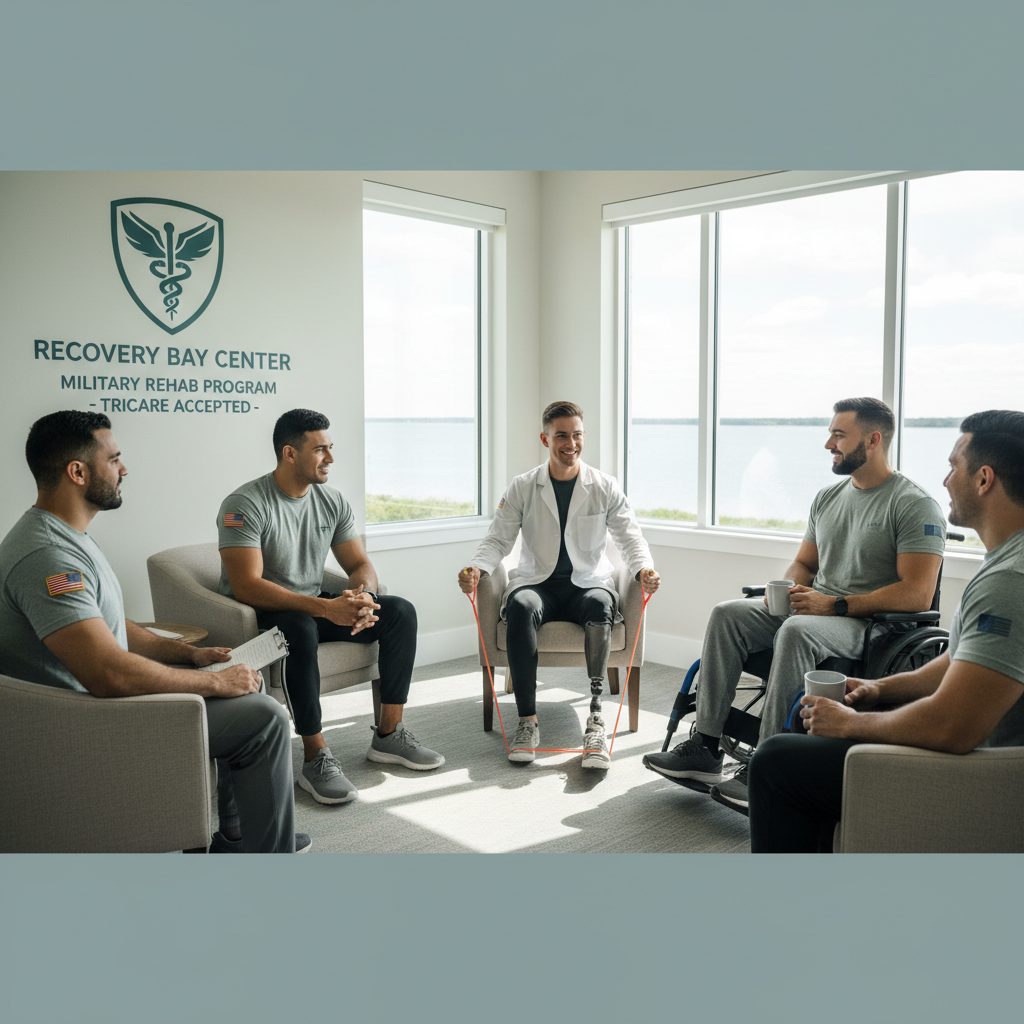

Understanding psychiatric support therapy
Definition and purpose
If you’re living with co-occurring mental health and substance-use challenges, psychiatric support therapy can transform your recovery journey. Psychiatric support therapy refers to a range of services—psychotherapy, medication management, crisis intervention—tailored to your individual needs, whether you’re managing anxiety, depression, or bipolar disorder [1]. By addressing both psychiatric symptoms and substance-use triggers, it creates a solid foundation for integrated care.
Personalized treatment plans
A key feature of psychiatric support therapy is an individualized treatment plan that evolves with your progress. Early in your care, a clinician conducts comprehensive assessments of your personal history, environmental factors, and genetic predispositions. Over time, they continuously adapt your plan to reflect new insights and changing circumstances [1].
Assessment and adaptation
- Initial diagnostic evaluation
- Regular symptom tracking
- Medication reviews and adjustments
Individual factors
Therapists consider aspects like co-occurring disorders, stressors at work or home, and previous treatment responses to ensure every aspect of your plan meets your unique needs.
Therapeutic alliance and trust
Establishing a strong, trusting relationship with your mental health professional is fundamental. Open communication encourages honest dialogue about your challenges and goals, which in turn enhances treatment effectiveness and keeps you engaged in care [1].
Exploring key therapy modalities
Cognitive behavioral therapy
Cognitive behavioral therapy (CBT) helps you identify and alter thought patterns that contribute to negative emotions and substance-seeking behaviors. As an evidence-based approach, CBT equips you with coping strategies to handle triggers and reduce the risk of relapse. Learn more in our cognitive behavioral therapy resource.
Dialectical behavior therapy
Dialectical behavior therapy (DBT) is especially effective if you struggle with intense emotions or self-harm urges. Originally designed for borderline personality disorder, DBT improves emotional regulation, reduces impulsivity, and lowers hospitalization rates [2]. Many dual diagnosis programs integrate dialectical behavior therapy to address both psychiatric symptoms and addiction.
EMDR trauma therapy
Eye movement desensitization and reprocessing (EMDR) helps you process traumatic memories by recalling distressing events while performing guided eye movements. Although the exact mechanism remains a subject of research, EMDR has demonstrated effectiveness in reducing adverse reactions to painful memories [2]. For trauma-driven substance-use issues, consider emdr trauma therapy.
Holistic and integrative approaches
Beyond talk therapies, psychiatric support often includes holistic modalities such as yoga, meditation, and mindfulness. Integrative therapy focuses on the connection between spirit, mind, and body, helping you build resilience and self-awareness [3]. Trauma-informed care further ensures that you feel safe and empowered throughout your recovery, as outlined in our trauma informed therapy program.
Managing dual diagnosis effectively
Integrated addiction and mental health
When you face both a substance-use disorder and a mental health condition, treating them in silos can hinder progress. An integrated approach, often called dual diagnosis therapy, synchronizes psychiatric support with addiction treatment to address root causes and interrelated symptoms concurrently. Integrated care teams coordinate medication management, individual therapy, and group sessions to create a cohesive support system.
Trauma informed therapy
Recognizing the impact of past trauma on substance use and psychiatric symptoms is essential. A trauma-informed therapy program creates an environment of safety, choice, and collaboration. Clinicians trained in trauma-informed practices help you navigate triggers without re-traumatization, paving the way for deeper healing and sustained sobriety.
Peer support interventions
One-to-one peer support, delivered by trained individuals with lived experience, offers you real-world guidance and empathy. A 2020 meta-analysis of peer support interventions reported modest positive effects on self-reported recovery and empowerment, though clinical symptom changes varied [4]. Peer roles include case management, coaching, and co-facilitating group activities, all of which reinforce your sense of community.
Preventing relapse and promoting resilience
Relapse prevention therapy
Relapse prevention therapy focuses on identifying high-risk situations and developing proactive coping plans. By practicing refusal skills, thought-stopping techniques, and role-playing scenarios, you build confidence in navigating triggers. You can explore more strategies in our relapse prevention therapy guide.
Stress management techniques
Effective stress management is vital for both mental health and addiction recovery. Incorporating daily practices can help you maintain equilibrium and prevent relapse:
- Mindfulness meditation and breathing exercises
- Regular physical activity and yoga
- Healthy sleep hygiene and balanced nutrition
- Engaging in hobbies and creative outlets
Our stress management therapy page offers detailed exercises and tracking tools to keep you on course.
Long-term psychiatric monitoring
Recovery is an ongoing process, and so is psychiatric support. Regular check-ins with your psychiatrist allow for medication adjustments, symptom reviews, and crisis planning. Consistent monitoring ensures that any emerging issues—whether a return of depressive symptoms or minor slips in sobriety—are addressed promptly.
Starting your recovery journey
Selecting the right provider
Choosing a program that specializes in co-occurring disorders is crucial. Look for centers that offer:
- Integrated care teams—psychiatrists, therapists, and addiction specialists
- Evidence-based therapies such as CBT, DBT, and EMDR
- Holistic options—yoga, meditation, and trauma-informed care
- Peer support and family therapy
Every treatment plan should align with your goals and comfort level. You can compare individual versus group approaches in our individual therapy addiction and group program addiction resources.
Preparing for your sessions
Before your first appointment, take time to list your symptoms, substance-use history, medical records, and personal goals. Clear notes help clinicians develop accurate diagnoses and personalized plans. Be ready to discuss:
- Your current medications and past treatments
- Co-occurring conditions—anxiety, depression, PTSD [5]
- Any family history of mental health or addiction issues
Maximizing therapy outcomes
To get the most from psychiatric support therapy, consider these best practices:
- Be open and honest, even when it’s difficult.
- Practice skills between sessions—journaling, thought records, relaxation exercises.
- Attend sessions consistently, whether individual, group, or family.
- Build a support network—engage peers in process addiction support groups or online communities.
- Track your progress and celebrate milestones, no matter how small.
More than 75% of people who engage in therapy for mental health report positive changes within six months [6]. By actively participating in your treatment and leveraging the full spectrum of psychiatric support, you set the stage for lasting recovery.
This article underscores how comprehensive psychiatric support therapy can transform your path to wellness. By integrating evidence-based modalities, addressing dual diagnosis, preventing relapse, and engaging in holistic care, you equip yourself with the skills and resilience needed for long-term recovery. Remember, healing is a journey—psychiatric support therapy ensures you never walk it alone.