
Why finding rehab that takes BCBS insurance matters
When you are ready for help, figuring out how to pay for treatment can feel overwhelming. If you are searching for rehab that takes BCBS insurance, you likely already know you need detox or residential care and you want clear answers about coverage, costs, and how quickly you can get admitted.
Blue Cross Blue Shield (BCBS) generally covers rehab treatment for drug and alcohol addiction, including inpatient and intensive outpatient services, but the exact details depend on your specific plan and state of residence [1]. Understanding how BCBS works, and how to verify your benefits fast, can help you step into treatment with confidence instead of confusion.
This guide walks you through how BCBS rehab coverage works, how to confirm in-network status, what to expect for detox and residential treatment, and how to move from “researching” to “admitted” as quickly as possible.
How BCBS typically covers addiction treatment
BCBS plans vary, but there are some consistent patterns in how they approach substance use treatment. Knowing these can help you spot what questions to ask when you call to verify your benefits.
Under federal law, substance use disorder treatment is recognized as an essential health benefit for plans bought through the Healthcare Marketplace, which means inpatient rehab must be covered at some level for those plans [2]. For many members, BCBS coverage can include:
- Medical detox for high risk substances
- Residential or inpatient rehab
- Intensive outpatient or outpatient care
- Medication assisted treatment
- Mental health and dual diagnosis services
The exact percentage BCBS pays, and your remaining out of pocket portion, depends on your individual policy, your state, and whether the facility is in network or out of network [2].
You do not have to sort through all of this alone. A men only rehab that works with BCBS every day can interpret your benefits quickly and tell you what your real costs would look like before you commit.
HMO vs PPO: why your BCBS plan type matters
One of the most important factors that affects where you can go is your plan type. BCBS offers HMO, PPO, EPO, and marketplace plans. Each category has different rules for which facilities are covered.
If you have an HMO plan, you typically must use HMO contracted facilities for rehab in order to receive full coverage [1]. With a PPO plan, you usually have more flexibility. PPO plans often:
- Cover a higher percentage of costs at in network rehabs
- Still offer some coverage at out of network facilities, usually with higher copays or coinsurance [2]
Out of network rehab program coverage is generally only available through BCBS PPO plans. HMO or EPO plans usually do not pay for out of network care, so confirming your plan type is a critical first step [2].
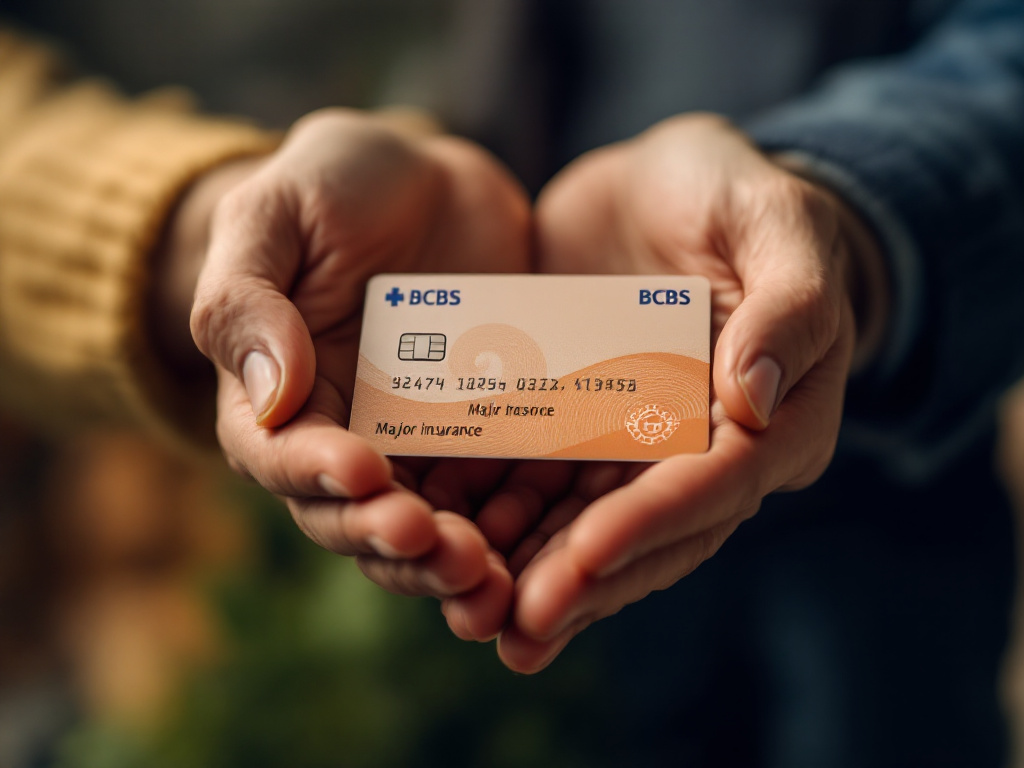
When you call to verify your benefits, have your BCBS member ID card in front of you. That card contains the plan type, group number, and contact information that the admissions team will use to check in network status and estimate your costs.
Detox and rehab: what BCBS usually helps pay for
If you are dependent on alcohol, benzodiazepines, opioids, or other substances that create physical withdrawal, medical detox is often the safest place to start. BCBS plans frequently cover medically supervised detox when it is considered clinically necessary, particularly for higher risk addictions such as benzodiazepines, alcohol, and opioids. These detox processes can be dangerous without medical supervision, which is why insurers commonly include them in covered services [1].
After detox, many men move directly into residential rehab. BCBS coverage can include:
- Structured daily programming
- Individual and group therapy
- Medication management
- Care for co occurring mental health conditions
- Discharge planning and aftercare
Thanks to the Affordable Care Act, marketplace BCBS plans must provide at least partial coverage for inpatient rehab services as an essential health benefit [2]. Other commercial BCBS plans, including Anthem BCBS in many states, typically cover detox, inpatient, outpatient, and sometimes longer term residential treatment, although the exact details still depend on your specific plan and location [3].
If you are only looking for detox at this stage, you can learn more at drug detox that accepts bcbs and detox center that takes bcbs. If you know you want a full residential stay, you may prefer to look at drug rehab that accepts bcbs or bcbs accepted drug rehab.
Fast, confidential BCBS benefits verification
When you are serious about getting help, you do not want to spend days waiting for insurance answers. You want to know today whether you can afford treatment, which programs are in network, and how quickly you can admit.
A men only rehab that regularly works with BCBS can usually verify your benefits the same day, often within hours. The process is straightforward:
- You call or submit a secure online form with your BCBS member ID and basic contact details.
- The admissions team contacts BCBS directly to verify eligibility, plan type, in network status, and any preauthorization requirements.
- You receive a clear explanation of what your plan covers for detox and rehab, including estimated copays, deductibles, and out of pocket maximums.
- If you choose to move forward, the team coordinates preauthorization and schedules your admission, sometimes on the same day, depending on bed availability.
All of this can usually be handled without you needing to navigate BCBS customer service on your own. The verification call is confidential, and you are under no obligation to admit just because you asked for a benefits review.
If you are comparing multiple insurers, you can also explore rehab that takes cigna insurance, rehab that takes aetna insurance, and rehab that takes tricare insurance.
In network vs out of network BCBS rehab
When you are looking for rehab that takes BCBS insurance, one of the first questions to ask is whether the facility is in network with your specific plan. In network status often makes the difference between a manageable cost and a large unexpected bill.
BCBS has a large nationwide network of contracted providers, including rehab centers and detox facilities, which means you can often choose treatment in your home state or travel to another state like California or Florida if that is a better fit for you [1].
Here is how in network and out of network care usually compare:
| Aspect | In network BCBS rehab | Out of network BCBS rehab |
|---|---|---|
| Eligibility | Available with most plan types | Often only covered with PPO plans [2] |
| Coverage level | Higher percentage of costs covered | Lower percentage, higher patient share |
| Preauthorization | Usually required but streamlined by facility | May be more complex to approve |
| Out of pocket costs | Typically lower, closer to in network copay / coinsurance | Often higher deductibles and coinsurance |
If you prefer to stay strictly with in network providers, look for resources such as in network drug rehab bcbs. If you have multiple insurers in the household, you may also compare in network drug rehab cigna, in network drug rehab aetna, or in network drug rehab tricare.
Men only rehab and BCBS coverage
Men face specific pressures related to work, family, and expectations about masculinity. These pressures can fuel substance use and also make it harder to ask for help. A men only program recognizes these dynamics and builds treatment around them.
When you combine BCBS insurance with a men focused rehab, you gain two things:
- Financial access to care through your health plan
- A therapeutic environment designed specifically for men
Many BCBS plans also cover mental health and dual diagnosis care under the same umbrella as substance use treatment. For example, Anthem BCBS plans in some states are required by the Affordable Care Act and the Mental Health Parity and Addiction Equity Act to cover both substance use and co occurring mental health conditions, such as anxiety, depression, and PTSD, at comparable levels [3].
Some BCBS plans offer care management programs for members with substance use disorders. These programs can help you set goals, coordinate services, and navigate your rehab options more easily [3]. When combined with a men only setting, you receive both clinical structure and gender specific support.
For a broader look at which insurers are accepted at men only facilities, you can visit insurance accepted men only rehab.
Medication assisted treatment and BCBS
If you are dealing with opioid or alcohol addiction, medication assisted treatment (MAT) may be part of your recovery plan. MAT combines FDA approved medications with therapy and ongoing support. BCBS has increasingly supported integrated approaches that combine medication with mental health services.
In some regions, companies such as Anthem BCBS have partnered with initiatives like Project ECHO to expand access to MAT and related behavioral health services, with the goal of supporting more holistic addiction recovery [2]. While the specific medications covered and prior authorization requirements vary by plan, many BCBS policies include at least partial coverage for MAT when it is clinically indicated.
When you speak with admissions, ask how MAT is handled in the program and how BCBS coverage is typically applied to those medications and services.
Finding BCBS rehabs near you or out of state
You may want to stay close to home, or you may feel you need distance from familiar triggers. BCBS’s broad network gives you options in both directions.
To find rehab centers that accept BCBS insurance, you can:
- Use the BCBS website and member portal, which often provide a provider search tool where you enter your member ID and filter for substance use treatment in your area [2].
- Call the phone number on the back of your member ID card and ask for a list of in network substance use treatment facilities.
- Contact a rehab directly and ask their admissions team to verify whether they are in network with your specific BCBS plan.
If you are exploring other insurers in the family, similar resources are available for drug rehab that accepts cigna, drug rehab that accepts aetna, and drug rehab that accepts tricare. For detox specific searches, you can also look at drug detox that accepts cigna, drug detox that accepts aetna, and drug detox that accepts tricare.
If you already know you want a BCBS friendly facility, you can simplify the process by contacting a men only rehab that states clearly that it is a bcbs accepted drug rehab.
What to expect financially with BCBS rehab
Even when you know BCBS covers rehab services, you still need a realistic picture of your costs. These usually fall into a few categories:
- Annual deductible: the amount you must pay before your plan starts sharing costs.
- Copay or coinsurance: your share of the cost for covered services after you meet the deductible.
- Out of pocket maximum: the upper limit you pay in a plan year, after which BCBS typically covers 100 percent of covered services.
BCBS coverage limits and the percentage of costs paid vary by policy, plan type, and state, so the numbers can look very different from one member to another [2]. This is why individualized verification is so important.
During a benefits check, the rehab admissions team can usually provide:
- Your remaining deductible for the year
- Your copay or coinsurance for detox and residential services
- Any limits on the number of treatment days per year
- Whether preauthorization is required and how it is obtained
Having this information up front lets you compare your BCBS coverage with other options in your household, such as cigna accepted drug rehab, aetna accepted drug rehab, or tricare accepted drug rehab, so you can make the best decision for your family.
How to move from research to admission
If you are reading about rehab that takes BCBS insurance, you are likely closer to treatment than you might realize. The next steps are straightforward and do not obligate you to anything:
-
Gather your insurance information
Have your BCBS member ID card ready. If another family member’s insurance might be used instead, have that card available as well. -
Reach out for a confidential benefits verification
Call the men only rehab you are considering and ask for same day insurance verification. Let them know you are using BCBS and that you want to understand coverage for detox and residential care. -
Review your options and estimated costs
Listen carefully to how your coverage applies. Ask about in network status, travel options, and what a typical stay looks like for men in your situation. -
Schedule admission when you are ready
If the fit feels right and the costs make sense, you can schedule an admission date. In many cases, especially when there is clinical urgency and an open bed, this can be as soon as the same or next day.
You do not need to have everything in your life perfectly organized before you call. The admissions and care management teams are there to help you work through logistics such as work leave, family responsibilities, and aftercare planning while you focus on getting well.
If you are ready to take the next step, a confidential BCBS benefits verification is often the fastest path from searching for help to actually arriving at a men only rehab that understands what you are facing and is prepared to walk with you through detox, treatment, and early recovery.