
Understand trauma group therapy
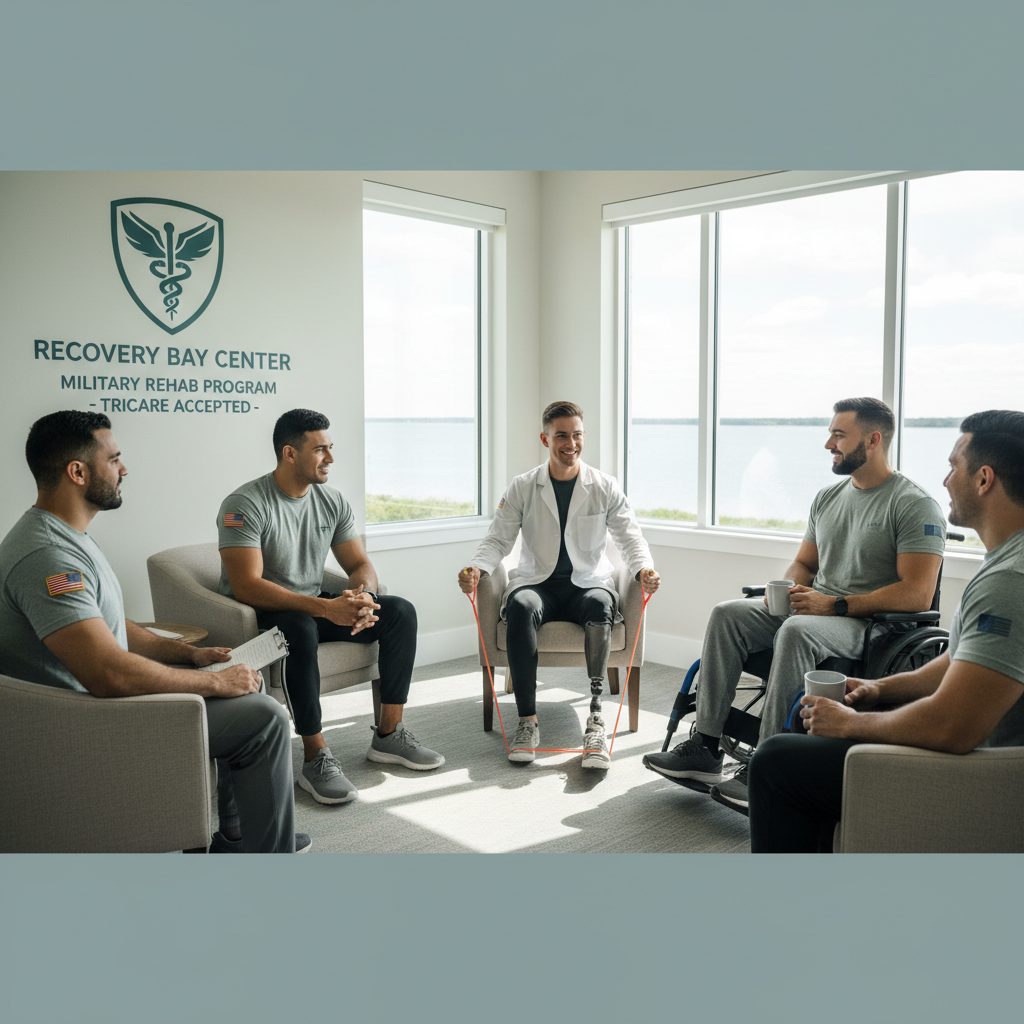
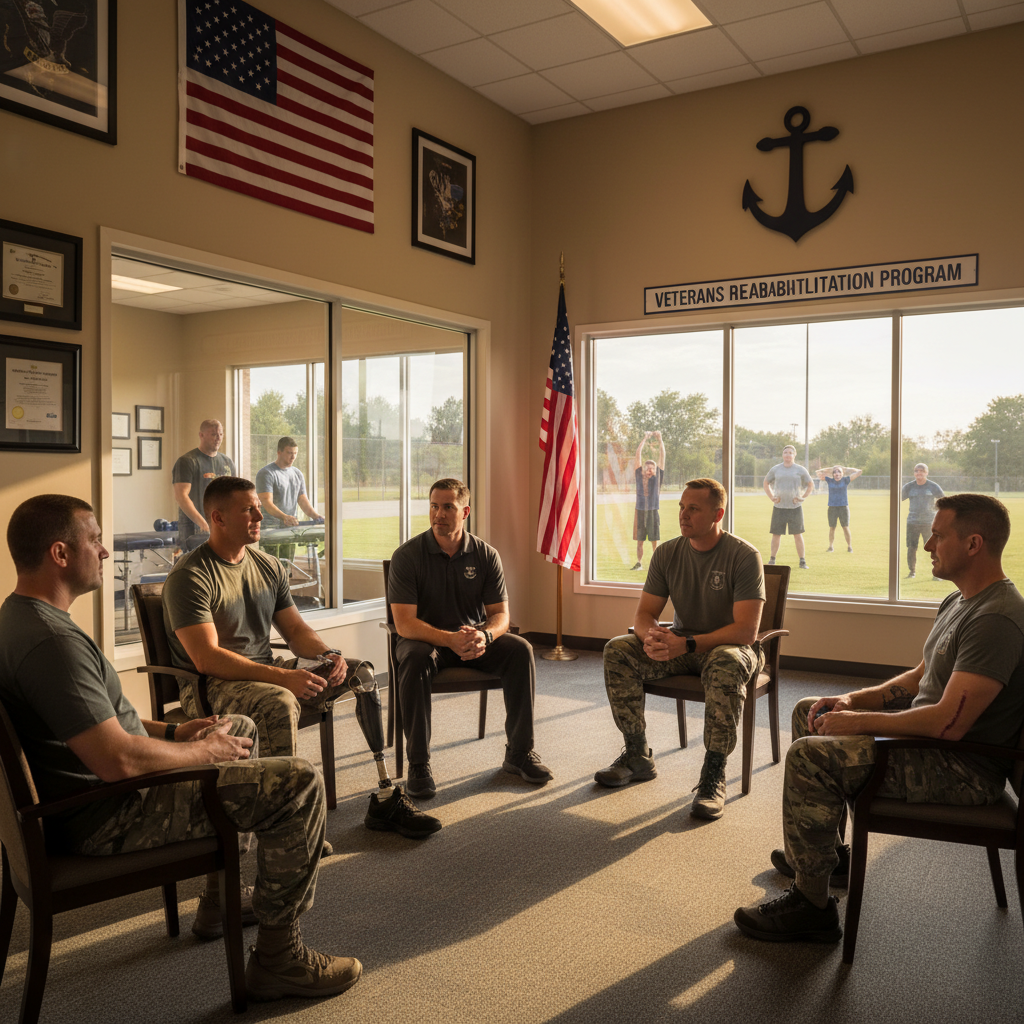
In a trauma group therapy program you work with others who have experienced similar events. Sessions are led by licensed clinicians who ensure a trauma-informed environment. You gain perspective, develop coping skills and build a community that supports healing from the impact of trauma.
Definition and purpose
Trauma group therapy brings together people who have experienced similar traumatic events in a structured setting, so you can process memories, share coping strategies and build emotional resilience. In each session, a clinician guides discussions, introduces psychoeducation and fosters mutual support to help you normalize symptoms and reduce shame. Many programs follow trauma-informed care principles, emphasizing safety, trust and choice to minimize re-traumatization and encourage open dialogue [1]. By participating in a group, you learn that your reactions are common and that you are not alone in your recovery journey.
Who can benefit
If you are managing post-traumatic stress, co-occurring anxiety, depression or substance-use issues, trauma group therapy can offer targeted support. Individuals with PTSD often find relief in peer validation, which research shows can normalize symptoms and boost social skills in a safe environment [2]. You may also benefit if you are in an intensive outpatient program that includes a group program addiction component. Co-occurring mental health and addiction challenges are common, and a group setting lets you address both together, complementing individual therapy or dual diagnosis therapy.
Explore evidence-based methods
When treating trauma in a group you often rely on proven therapies that address both trauma symptoms and co-occurring disorders. These methods provide structured skill training, peer validation and measurable outcomes.
Cognitive behavioral therapy
Cognitive behavioral therapy, or CBT, teaches you to identify and challenge negative thought patterns that contribute to trauma symptoms and substance use. In a group context, you observe peers practicing cognitive realignment, role-play alternative perspectives and receive feedback on your own patterns. This collective approach reinforces skill development and accountability. Research demonstrates that CBT in groups can yield clinically meaningful reductions in PTSD severity and improve coping strategies for everyday stressors [3]. Many trauma programs integrate cognitive behavioral therapy as a core component.
Dialectical behavior therapy
Dialectical behavior therapy, or DBT, focuses on emotion regulation, distress tolerance, mindfulness and interpersonal effectiveness. In a group setting you learn skills through structured modules, practice mindfulness exercises and engage in role-playing scenarios. Peer support enhances validation and accountability, making it easier to apply DBT techniques outside sessions. This method can be especially helpful if you struggle with intense emotions or self-harming behaviors. For more on DBT you can visit our dialectical behavior therapy page.
EMDR trauma therapy
Eye movement desensitization and reprocessing, or EMDR, helps you reprocess traumatic memories by integrating bilateral stimulation with guided recall. In group EMDR sessions, therapists may lead you through phases of preparation and stabilization before inviting you to reprocess in small subgroups. This shared format can accelerate progress by providing mutual encouragement and normalizing the reprocessing experience. If you seek deeper trauma work, consider adding emdr trauma therapy.
Group versus individual effectiveness
Although individual trauma-focused treatments like cognitive processing therapy or prolonged exposure may achieve slightly larger reductions in symptom severity at discharge, group CPT demonstrated similar longer-term effectiveness at four-month follow-up in a VA study of 6,735 veterans [3]. Group formats often offer cost-effective alternatives, peer validation and ongoing social support, which can be critical for sustaining gains in real-world settings.
Integrate holistic modalities
Beyond talk therapy you can integrate holistic practices to support your healing journey. These modalities enhance mind-body awareness and provide nonverbal outlets for emotional expression.
Yoga and meditation
Yoga and meditation foster mind-body connection, improve emotional regulation and alleviate anxiety by teaching grounding techniques and body awareness. You can learn breathing exercises that calm your nervous system and gentle postures that release stored tension. Incorporating these practices into group therapy sessions helps you observe peers using identical grounding methods, reinforcing mutual learning and accountability.
Somatic therapies
Somatic therapies help you process trauma stored in the body through exercises like guided movement, shaking and focused touch. By developing body awareness and grounding, you can release intense emotions and reduce chronic pain symptoms. This approach aligns with Somatic Experiencing principles and can be woven into group formats to increase group cohesion and shared insight [4].
Art and music therapies
Creative expression in art and music therapies offers nonverbal avenues for emotional release and self-discovery. In a group setting you might paint, sculpt or compose music to symbolize your trauma, then share interpretations with peers. This mutual reflection fosters empathy, supports positive affirmations and adds variety to talk-based methods, making sessions more engaging and accessible.
Internal family systems
Internal family systems, or IFS, helps you explore different parts of yourself affected by trauma. In group IFS you learn to identify protective and vulnerable parts, practice self-compassion and receive feedback from fellow participants. This collective approach can deepen insight, normalize internal conflicts and strengthen your capacity for self-regulation [5].
Address dual diagnosis
When mental health symptoms and substance misuse co-occur you need an approach that treats both simultaneously. Integrated group therapy ensures your treatment plan addresses complex needs without sacrificing one for the other.
Integrated treatment model
A dual diagnosis therapy model ensures simultaneous treatment of both conditions. This integrated approach helps you address underlying trauma, mood disorders and substance use in a cohesive plan. Group sessions may include psychoeducation on the link between trauma and addiction, cognitive restructuring exercises and relapse prevention planning that targets triggers related to both diagnoses.
Psychiatric support therapy
Managing medication and monitoring psychiatric health are vital in a dual diagnosis context. In trauma group therapy programs you may receive on-site medication management, psychosocial support and case coordination with a psychiatrist. This psychiatric support therapy component ensures you have ongoing clinical oversight, which can stabilize mood, reduce relapse risk and complement skills learned in group sessions.
Enhance relapse prevention
Preventing relapse involves learning specific skills and building support networks to manage triggers before they lead to setbacks. Group formats offer peer accountability and shared problem solving.
Relapse prevention therapy
Relapse prevention therapy equips you with strategies to anticipate high-risk situations, manage cravings and maintain motivation. In a group setting you collaboratively develop personalized coping plans, rehearse refusal skills and hold each other accountable. Emphasis on self-monitoring and behavioral experiments helps you track progress and refine tactics. For more detail, visit our relapse prevention therapy resource.
Stress management therapy
Stress is a common relapse trigger, so learning stress management techniques is essential. Group stress management therapy may include guided relaxation, progressive muscle relaxation and cognitive reframing. By practicing these tools alongside peers, you reinforce consistency and build a supportive network. You can explore additional stress reduction methods on our stress management therapy page.
Process addiction support
If you struggle with behavioral addictions like gambling, sex or internet use, process addiction support can be integrated into trauma group therapy. These sessions help you identify patterns, set boundaries and use alternative coping mechanisms. Peer discussions normalize shared experiences, reduce shame and boost accountability, enhancing your overall recovery strategy [2].
Experience group session dynamics
Group sessions follow a structured process that balances safety, skill teaching and peer interaction. Understanding this dynamic helps you engage fully and benefit from each phase.
Creating safe environment
Safety is the foundation of trauma group therapy. Facilitators establish opening and closing rituals, maintain consistent schedules and enforce confidentiality agreements to create familiarity and trust [1]. You will learn to respect emotional boundaries, speak without interruption and engage in nonjudgmental listening. This secure container allows you to explore vulnerability and receive collective validation.
Group norms and structure
Clear group norms guide each session. You may agree on ground rules such as optional sharing, respect for silence and mutual respect. Structured agendas often include check-ins, skill-building exercises and debriefing. This predictable format helps you anticipate each phase of the session and reduces anxiety, so you can focus on healing.
Managing challenges
Challenges like social anxiety, dominating participants or confidentiality concerns can arise in group settings. Skilled facilitators address these issues through gentle intervention, conflict resolution and individual check-ins. You learn to assert boundaries, practice constructive feedback and use coping strategies when discomfort occurs, which strengthens the group’s cohesion and therapeutic potential [6].
Choose the right program
Selecting the ideal treatment setting depends on your needs, resources and recovery goals. You can compare formats, intensities and specializations to find the best fit.
Intensive outpatient options
Intensive outpatient programs offer structured group therapy while allowing you to live at home. These programs typically include several weekly group sessions covering trauma processing, skill development and relapse prevention. You can complement group work with individual therapy addiction and family sessions to build a comprehensive support network.
Residential treatment options
Residential treatment immerses you in a live-in environment focused on healing. Trauma group therapy in residential settings may involve daily groups, psychoeducation lectures and holistic activities like yoga and art therapy. Residential programs can specialize in conditions such as anxiety treatment residential, depression treatment residential or ptsd treatment residential. This intensive support can accelerate progress by providing 24/7 clinical oversight.
Gender-specific programs
Some providers offer gender-specific tracks, such as men’s mental health rehab or women-only groups. These environments address unique issues related to societal roles, trauma triggers and communication styles. If you feel more comfortable in a gender-specific setting, inquire about tailored group offerings and mixed-gender alternatives.
Sustain long-term recovery
Long-term recovery requires ongoing engagement with support systems, self-care routines and relapse prevention planning. Maintaining momentum after formal treatment is key to lasting change.
Ongoing support services
Recovery extends beyond initial treatment. Ongoing services may include alumni groups, periodic check-ins, peer mentoring and sober living resources. You can also participate in group program addiction alumni sessions to maintain connections, share milestones and reinforce coping skills.
Family involvement
Engaging loved ones through family therapy strengthens your support system and addresses relational patterns that impact recovery. Family sessions can educate relatives about trauma, improve communication and set healthy boundaries. A collaborative approach ensures you and your family develop a shared language for healing.
Aftercare planning
Effective aftercare planning maps out next steps for your recovery journey. You and your care team identify triggers, establish relapse prevention strategies, schedule follow-up therapy and coordinate with community resources. This personalized plan may include referrals to dual diagnosis therapy, ongoing psychiatric support or local peer support groups. A clear roadmap helps you stay grounded and maintain progress over time.