Why a veteran inpatient treatment program can change your life
If you are a veteran or active duty service member, you already know that willpower alone is not enough to beat addiction. A veteran inpatient treatment program surrounds you with 24/7 structure, medical support, and a team that understands the reality of military life.
Within the VA system, more than 27,000 Veterans received care in residential rehabilitation treatment programs in 2024 across more than 250 programs nationwide, with average waits dropping to about 16 days as new centralized screening systems roll out [1]. This shows how essential structured residential care has become for service members who are serious about recovery.
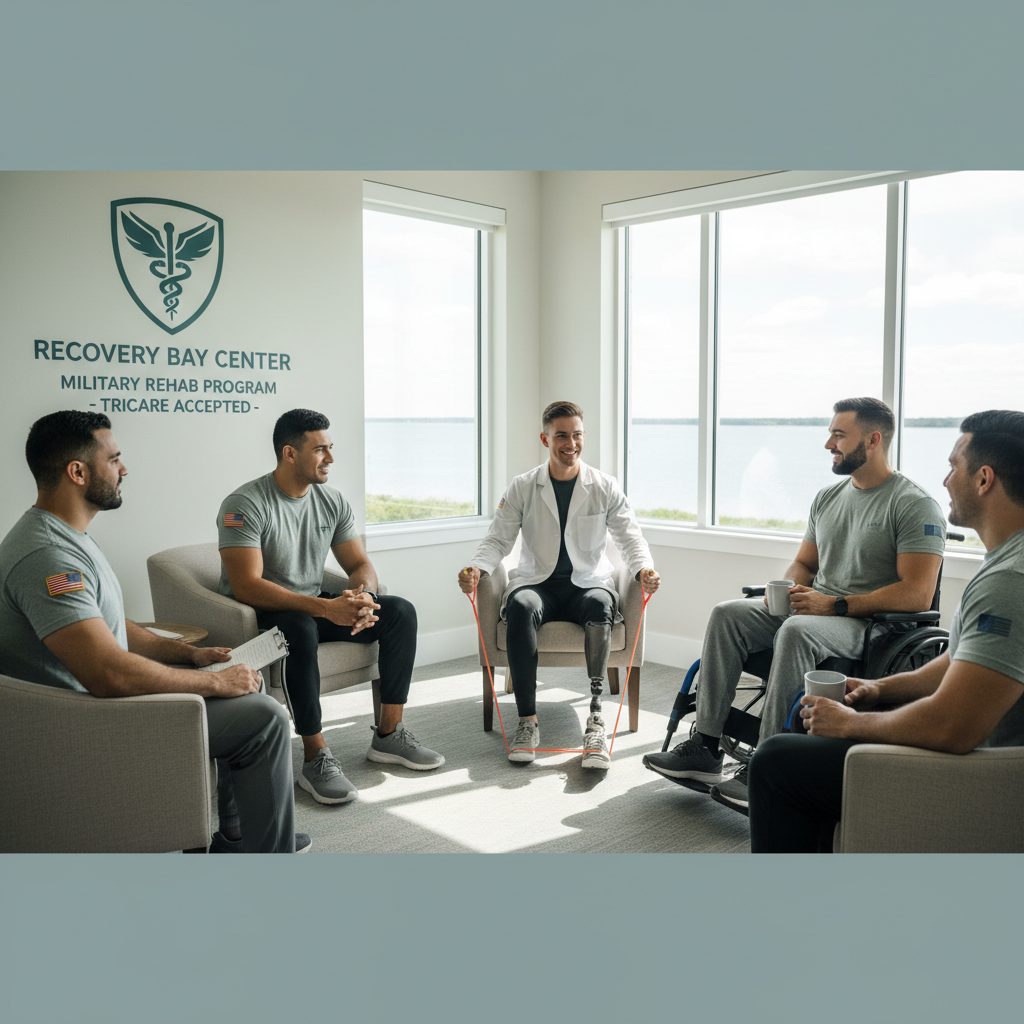
At Recovery Bay Center’s men’s military program, you step into that same level of structure and support, but in a setting designed specifically for men like you, with a focus on camaraderie, discipline, and trauma‑informed care.
If you have completed or are planning detox, this is where you begin rebuilding your life and your identity, one structured day at a time.
How veteran inpatient treatment programs work
A veteran inpatient treatment program is a residential level of care. You live on site for a set period, follow a daily schedule, and work closely with a clinical team that provides intensive support.
24/7 residential structure
Veteran residential rehabilitation programs in the VA system typically run around six weeks, and provide full‑time care in a structured environment that addresses both mental health and substance use concerns [2]. Recovery Bay Center mirrors this type of structure while tailoring the program to men and military culture.
You can expect:
- A consistent daily schedule so you know what is coming next
- On‑site clinical and support staff around the clock
- Curfews, attendance expectations, and accountability
- Clearly defined rules that create safety and predictability
This level of structure removes chaos from your day so you can focus your energy on getting better.
Integrated addiction and mental health care
You are not just treated as someone with “a substance problem.” In 2022, an estimated 1.4 million Veterans were living with both a mental illness and a substance use disorder, which is why specialized inpatient rehab for Veterans is so critical [3].
Your care plan can address:
- Alcohol and drug use and withdrawal history
- PTSD, combat trauma, or military sexual trauma
- Depression, anxiety, anger, or hyper‑vigilance
- Sleep problems, nightmares, and irritability
- Relationship and family stress
- Reintegration challenges after deployment or separation
You work with a multidisciplinary team instead of trying to “fix” one problem at a time in isolation.
Continuity after detox
If you have already completed medical detox, moving directly into a residential program keeps your momentum going. Many veterans lose ground in the gap between detox and long‑term care. At Recovery Bay Center, the men’s military track is built as a natural next step after detox, so you are not left trying to manage early recovery on your own.
If you are still exploring detox options, our team can help coordinate a safe, medically supervised detox before you admit to inpatient care, similar to what is offered in VA facilities, where detox, medication management, and counseling are integrated [3].
Why choose a men’s military program instead of a general rehab
Rehab is not one‑size‑fits‑all. As a male veteran or active duty service member, you bring specific experiences and expectations into the treatment setting. A general program may not always recognize or honor that.
A men’s military rehab track, such as the one at Recovery Bay Center, is designed around:
- Military values and culture
- The way men are taught to handle (and often hide) pain
- The importance of brotherhood and shared experience
- The need for clear expectations and accountability
If you prefer to recover alongside other men who have worn the uniform, a dedicated men’s military rehab center can give you that environment.
Trauma‑informed and military‑aware
Veteran‑focused inpatient programs across the country, including VA PTSD residential units, use evidence‑based trauma therapies and complementary services like occupational and recreation therapy to reduce symptoms and improve quality of life [4].
At Recovery Bay Center, your therapists understand:
- Chain of command and unit cohesion
- Combat exposure and operational stress
- Deployment cycles and reintegration
- Survivor’s guilt and moral injury
You are not expected to explain the basics of military life before you can even start talking about what happened to you.
Male‑only environment and camaraderie
In a men‑only program, you are surrounded by peers who are facing similar issues with alcohol, drugs, anger, relationships, and identity after service. You are able to speak openly without worrying about how you sound or how you might be perceived across genders.
This camaraderie matters. In VA residential settings, veterans benefit from living and engaging with peers who are working through similar challenges, whether in substance use, PTSD, or homelessness programs, all within a structured, supportive community [2]. Recovery Bay’s culture builds on that same principle of shared struggle and mutual support.
If you are looking for a setting where you can build that brotherhood in early recovery, you can explore our military rehab program for men and men’s veteran addiction treatment.
What your day looks like inside a veteran inpatient treatment program
When you know what to expect, it can be easier to commit. While exact schedules vary, your days at Recovery Bay Center will follow a predictable rhythm that blends clinical work, wellness, and peer connection.
Morning: Structure and mindset
You start early. Most days begin with:
- Wake‑up and morning self‑care
- Breakfast with your group
- A brief community meeting or orientation to the day
- A primary therapy session, group or individual
This beginning sets the tone and reminds you that you are part of something larger than yourself, much like formation or morning muster.
Midday: Clinical work and skills training
The middle of the day focuses on intensive therapeutic work. You might participate in:
- Cognitive behavioral therapy (CBT) groups to identify triggers, distorted thinking, and relapse patterns
- Trauma‑focused sessions for PTSD or other service‑related trauma
- Psychoeducation about addiction, the brain, and long‑term recovery
- Life‑skills or vocational‑focused activities that support reintegration
In VA programs, specialized tracks such as PTSD‑focused residential care use evidence‑based therapies alongside occupational and recreation therapies to improve socialization and time management skills [4]. Recovery Bay Center integrates similar concepts to help you prepare for life after discharge, not just the next week of treatment.
Afternoons and evenings: Brotherhood and reflection
Later in the day, the focus often shifts to:
- Peer process groups, where you talk honestly with other men
- 12‑step or alternative recovery support meetings
- Physical activity or structured recreation
- Time for journaling, reading, or one‑on‑one check‑ins with staff
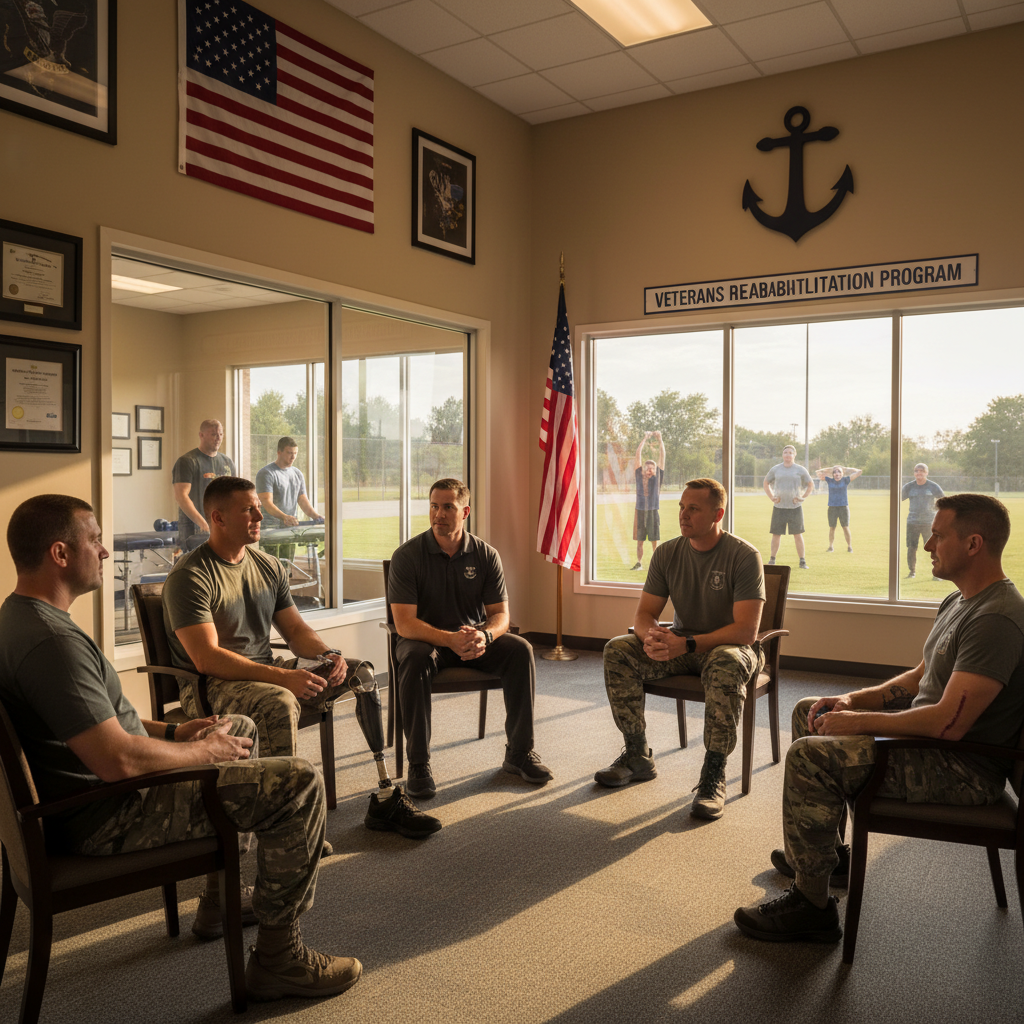
This is where the sense of brotherhood grows. You live, eat, and recover with the same group of men, which strengthens accountability and support. If you are interested in this kind of environment, our veteran men’s residential treatment page explains how that structure works in more detail.
Dual alcohol and drug treatment tailored to veterans
Many veterans do not struggle with only one substance. You might be using alcohol to come down from stimulants, or mixing prescription medications with street drugs. A true veteran inpatient treatment program must be equipped to manage that complexity.
24/7 medically supervised detox and stabilization
Veteran inpatient rehab programs across the country provide full‑time medical supervision for detox, using medication management and nursing care to safely manage withdrawal symptoms, which is often the safest route for veterans with complex health histories [3].
While your detox may be completed before arrival, Recovery Bay Center maintains close medical oversight, especially in the early days of your stay, and coordinates care when additional support is needed.
If your primary concern is alcohol, residential alcohol rehab for veterans can give you a clearer sense of how we approach alcohol‑specific withdrawal and recovery. If drugs are your primary issue, you can explore residential drug rehab for veterans.
Integrated care for co‑occurring disorders
Evidence shows that veterans with combined PTSD and major depressive disorder have higher dropout risks, especially when treatment involves intense exposure therapies, if they are not adequately prepared and supported [5]. For that reason, Recovery Bay Center focuses on:
- Assessing your readiness and stability before trauma‑intensive work
- Combining trauma‑informed approaches with mood and anxiety treatment
- Using non‑exposure therapies when clinically appropriate
- Preparing you for the emotional intensity of certain modalities
The goal is not just to start treatment, but to help you stay with it and complete the full course, which is critical for long‑term outcomes.
Restoring discipline, purpose, and identity
Addiction can erode the qualities that once defined you. You may feel far from the soldier, sailor, airman, Marine, or guardian you once were. A structured rehab program for veterans is not about turning you back into who you used to be. It is about helping you use those same strengths in a new way.
Using structure as a tool, not a punishment
Many veterans initially push back against rules and schedules, especially if their last structured environment was a deployment or a difficult duty station. Inside a program built for veterans, structure serves you, rather than controlling you.
A structured rehab program for veterans can help you:
- Rebuild healthy routines around sleep, meals, medication, and exercise
- Relearn time management and follow‑through
- Experience the satisfaction of meeting small, daily goals
- Practice responsibility in a setting where you are still supported
Over time, this predictable rhythm reduces anxiety and helps you feel more in control of your life again.
Reconnecting with values and mission
Military service is tied tightly to values like honor, courage, loyalty, and service before self. Addiction can leave you feeling disconnected from those values. In treatment, you work on:
- Naming what matters most to you now
- Identifying where addiction has pulled you away from your values
- Building a recovery plan that is aligned with your code
- Defining what “mission” looks like in civilian life or continued service
You are not asked to forget your military identity. You are supported in rebuilding a healthy version of it, with recovery at the center.
Many veterans who complete residential treatment for substance use experience significantly better outcomes. One large VA study found that veterans who received residential care for substance use disorders had a 66 percent lower mortality rate within 12 months compared to those who did not receive such treatment [1].
How Tricare and military insurance fit into your care
Cost should not be the reason you delay getting help. The MISSION Act expanded access for veterans to receive inpatient rehab through approved community providers, often with coverage from third‑party insurers such as Optum or TRICARE [3].
Tricare and veteran‑focused coverage
Recovery Bay Center works with military and veteran benefits so you can focus on treatment, not paperwork. If you are exploring tricare inpatient rehab for veterans or tricare covered rehab for military, our admissions team can:
- Verify your benefits
- Explain what is covered and what is not
- Coordinate with VA or your command when appropriate
- Help you understand any out‑of‑pocket expenses
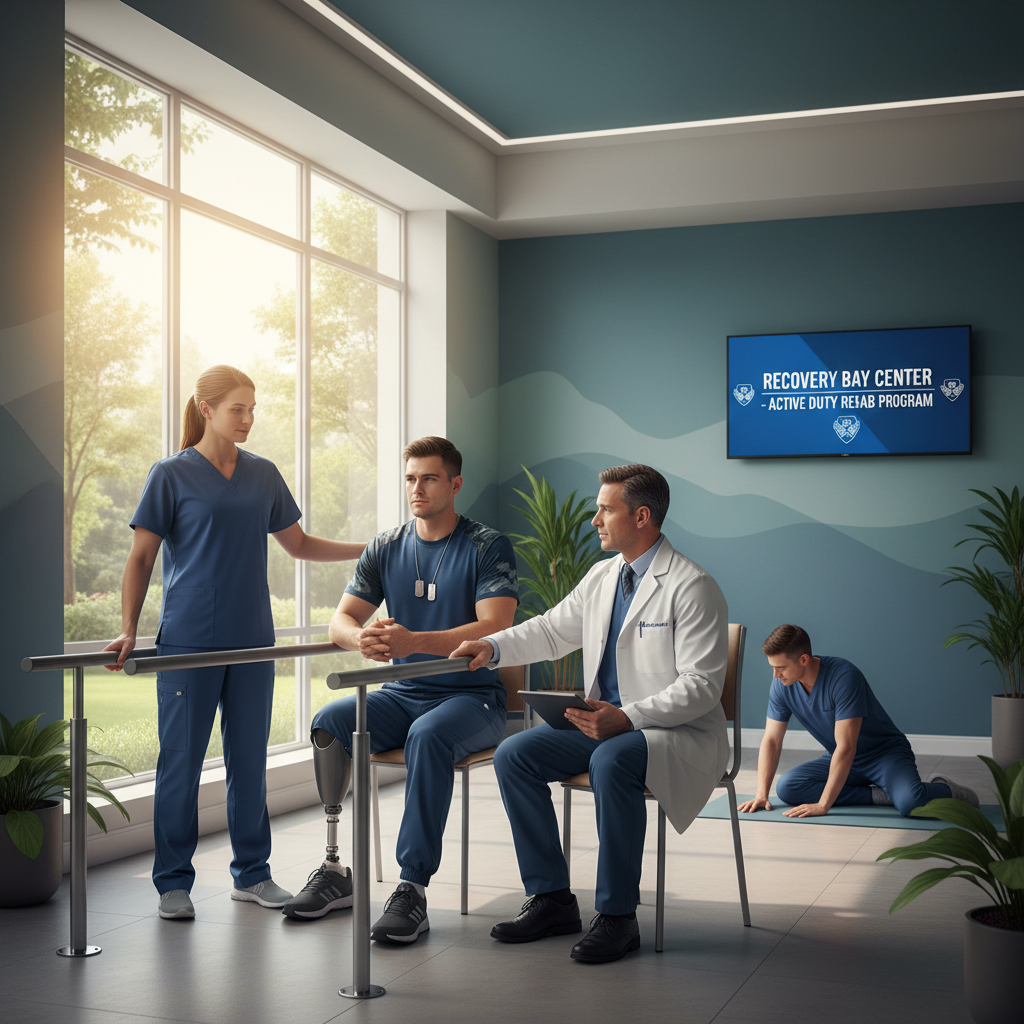
If you are active duty, inpatient rehab for active duty military often involves communication with your command to support your treatment and reintegration plan. Our team is experienced in handling those conversations while respecting your privacy and your career.
Planning for what comes after inpatient treatment
Inpatient care is the start of your recovery, not the end. A strong veteran inpatient treatment program prepares you for life beyond discharge.
Step‑down and long‑term support
As you approach the end of your stay, you and your team will work on:
- A relapse prevention plan tailored to your triggers and environment
- A step‑down level of care, such as intensive outpatient or sober living
- Connection to community recovery support, both veteran‑specific and general
- Coordination with VA or community providers for ongoing therapy and medication
If you need more extended residential support, long term rehab for veterans may be part of your plan. The goal is always the same: a realistic path to sustained recovery that fits your life.
Ongoing brotherhood and accountability
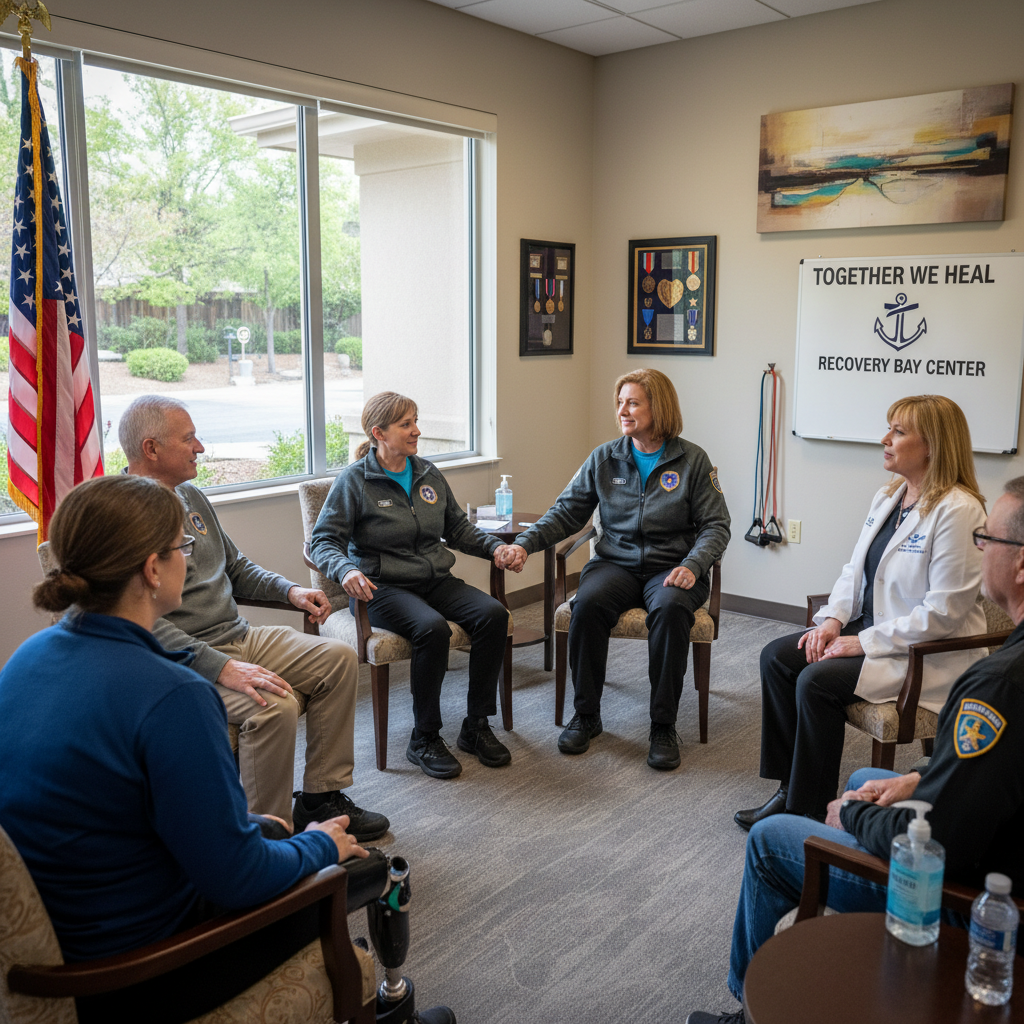
The bonds you build in a men’s military program often continue beyond discharge. You may stay in touch with peers, return for alumni events, or engage in peer mentoring. Recovery Bay Center encourages you to see yourself not just as a patient, but as a member of a growing community of veterans in recovery.
If you are weighing your options and want a program aligned with military culture and male‑only support, our veteran rehab program for men and broader residential rehab for veterans resources can help you compare settings and levels of care.
Taking your next step into treatment
If alcohol or drugs are controlling your life, you do not have to keep doing this alone. A dedicated alcohol and drug rehab for veterans that is built for men, and grounded in military values, can give you the structure and brotherhood you have been missing.
At Recovery Bay Center’s veteran inpatient treatment program, you will find:
- A male‑only environment that honors your service
- Round‑the‑clock structure and support
- Dual treatment for alcohol and drugs, plus co‑occurring mental health
- Trauma‑informed, military‑aware therapists and staff
- Tricare and military insurance guidance
You have already proven that you can show up, follow through, and push through hard things. Now you can use those same strengths to rebuild your life in recovery. Your path forward can start with one decision to step into a place designed for you and for the man you want to become.